Salesforce & Agentforce
Agentforce is Salesforce's platform for deploying AI agents within your org, and it moves fast enough that most implementation guides are already outdated. The posts here cover what Agentforce is, how to assess your org's readiness, what Health Cloud users need to know before they start, and how to govern AI agents in a Salesforce environment. Written for Salesforce admins, architects, and technology leaders evaluating or mid-deployment.
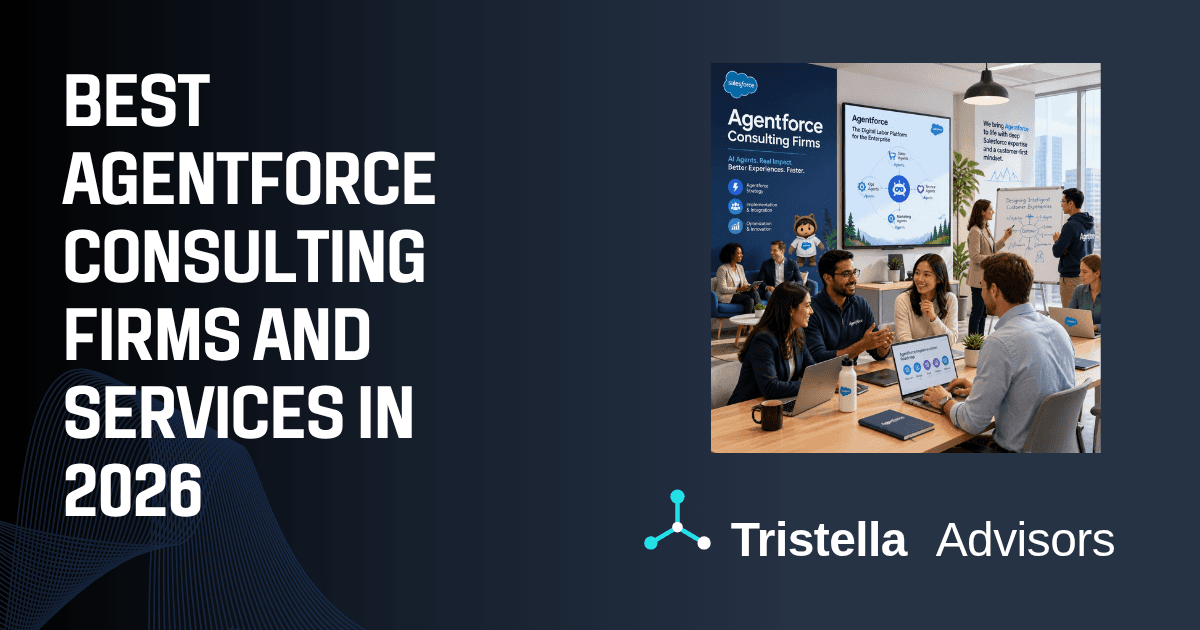
Best Agentforce Consulting Firms and Services in 2026: How to Evaluate Your Options
The best Agentforce consulting firms fall into three tiers: boutique specialists with vertical depth, mid-market firms that prioritize adoption alongside implementation, and global system integrators for enterprise-scale programs. The difference between a firm with production Agentforce implementations and one building its practice as it goes with your project is significant on a platform still maturing. This post covers five firms , Tristella Advisors, Zennify, Slalom, Accenture Salesforce Business Group (which absorbed NeuraFlash in 2025), and Deloitte Digital — across distinct models and buyer profiles. The evaluation criteria covered: production implementation track record, Data Cloud depth, org health assessment practices, topic and action design quality, governance and post-go-live design, and regulatory compliance depth for healthcare, financial services, and other regulated industry deployments.
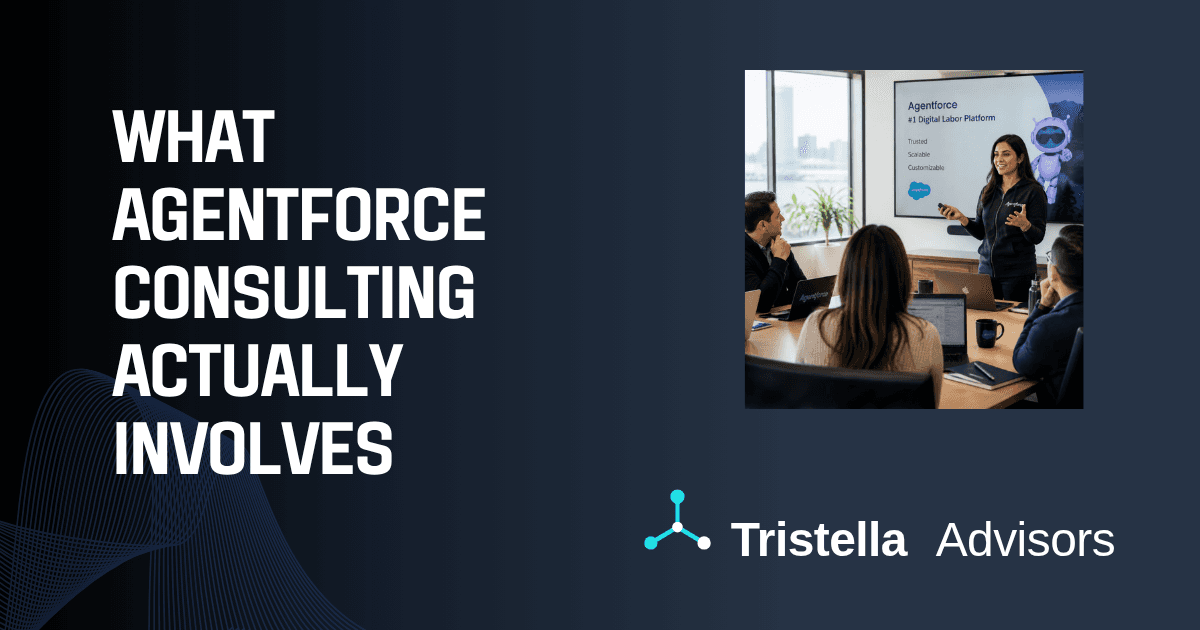
What Agentforce Consulting Actually Involves: Implementation, Configuration, and Governance from Go-Live to Production
There is a meaningful difference between an Agentforce partner who has built demo environments and one who has run a production deployment. This post is written for buyers who have already decided on Agentforce and need to know what implementation actually involves before choosing who runs it. The work spans six phases: a readiness assessment that surfaces data quality and integration gaps before they become timeline problems; agent design covering Topics, Actions, and escalation paths; configuration, including Einstein Trust Layer setup and prompt engineering; integration with external systems; edge case and escalation testing; and go-live deployment. Beyond go-live, production governance, performance monitoring, version management, and incident response are what determine whether an agent that worked at launch continues to work at month six. This post covers what each phase requires and what separates production-ready implementation from demo-quality work.
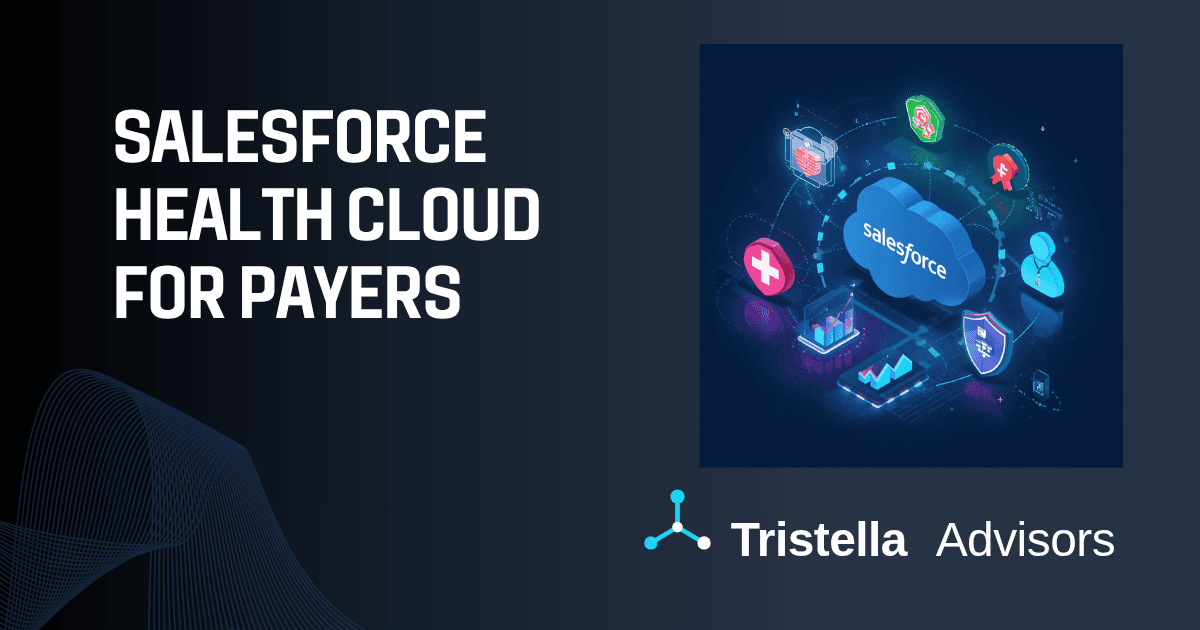
Salesforce Health Cloud for Payers: What It Does, How It's Configured, and What a Successful Implementation Requires
Salesforce Health Cloud for payers is not the same product as Health Cloud for health systems, and the implementations are not interchangeable. Payers are managing members, plans, claims, and care gaps, not patients and clinical encounters. The source systems are claims processors like TriZetto Facets and QNXT, not EHRs. The regulatory requirements include CMS interoperability mandates, Star Ratings quality programs, and the CMS Prior Authorization Rule's FHIR API requirements that took effect in January 2026. This post walks through what Health Cloud actually does for managed care organizations: member 360, HEDIS and care gap management, prior authorization tracking, provider network management, and Agentforce-powered member services automation. It also covers what makes payer implementations structurally different from provider implementations, what CMS compliance requires of your data architecture, and what to look for in an implementation partner who actually knows the payer side of Health Cloud.
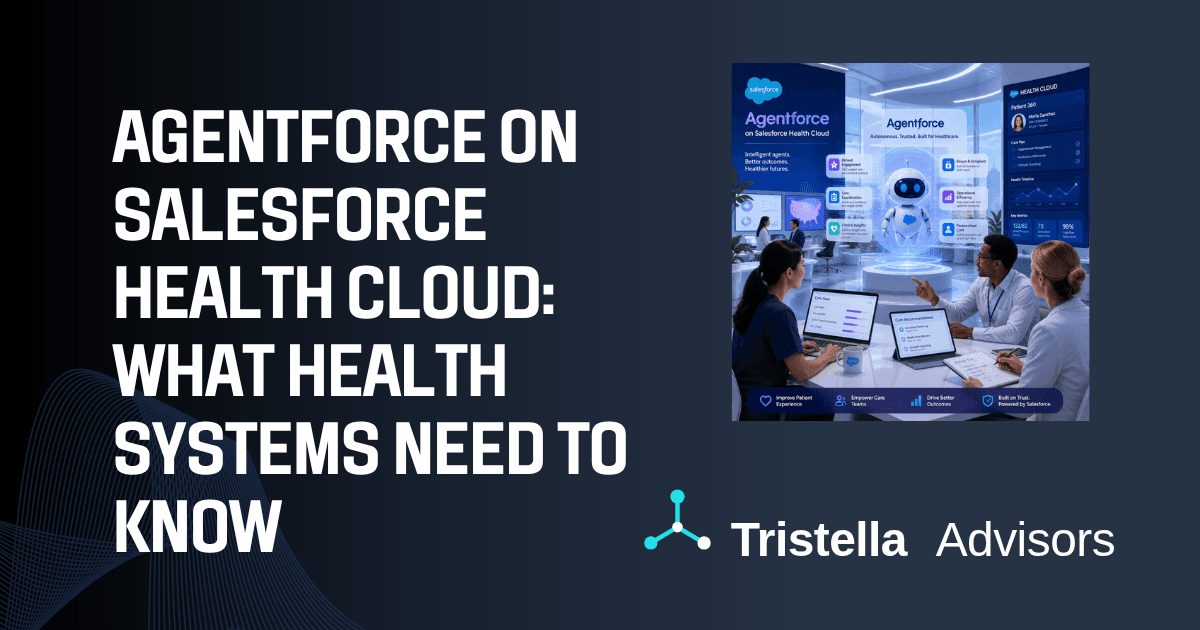
Agentforce on Salesforce Health Cloud: What Health Systems Need to Know Before They Start
Most health systems exploring Agentforce already have Salesforce Health Cloud in production. What they typically underestimate is that deploying Agentforce on Health Cloud is a fundamentally different project than a standard Agentforce implementation — the clinical data model, the HIPAA compliance setup, and the workflow dependencies make it its own thing. This post covers what that difference means in practice: what the Health Cloud instance needs to have in place before any agent development begins, how the Einstein Trust Layer applies to PHI use cases, which use cases deliver the most value first (care gap closure, prior auth support, discharge follow-up), the implementation sequence that works, and the three organizational problems that derail technically sound deployments. It is written for health system IT leaders and Salesforce teams who are ready to move past readiness assessment into actual implementation planning.
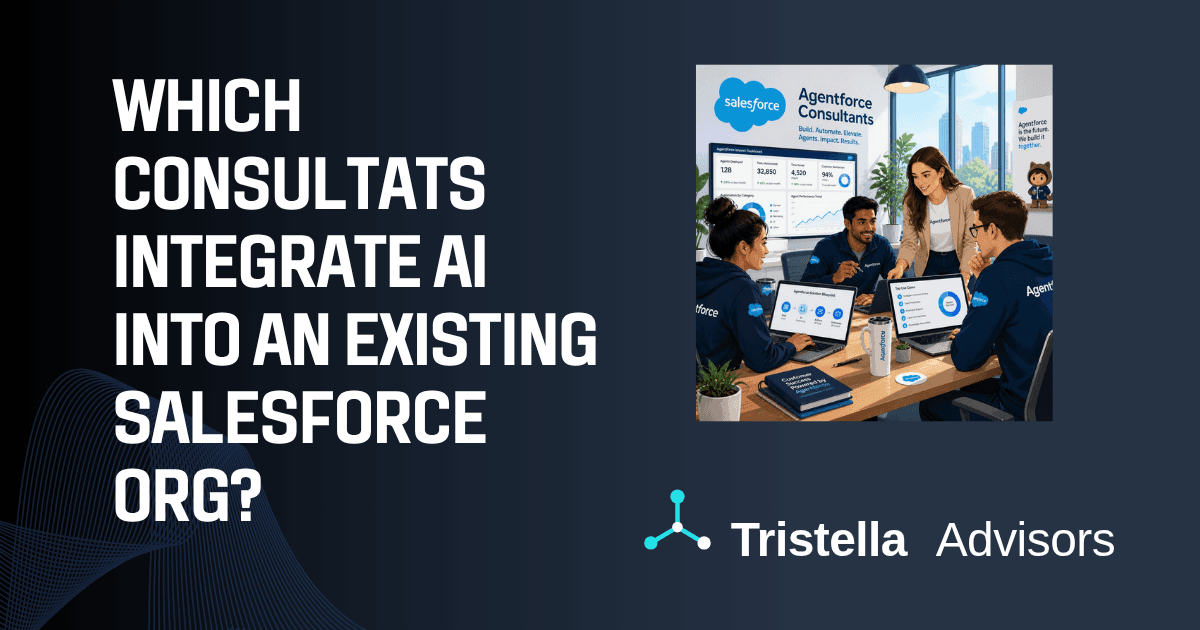
Which Consultants Have Deep Expertise Integrating AI Agents into an Existing Salesforce Org?
The real risk in an Agentforce deployment is not what an agent can do. It is what the agent is permitted to touch, whether its decisions are auditable, and who is accountable when it acts incorrectly. The consultants winning this work on certification counts and platform breadth are not the ones asking those questions first. This post covers the three failure patterns that appear when Agentforce is deployed without architect-level governance design, a five-question checklist for screening any Salesforce AI consultant before hiring them, and what regulated-environment Health Cloud experience actually signals.
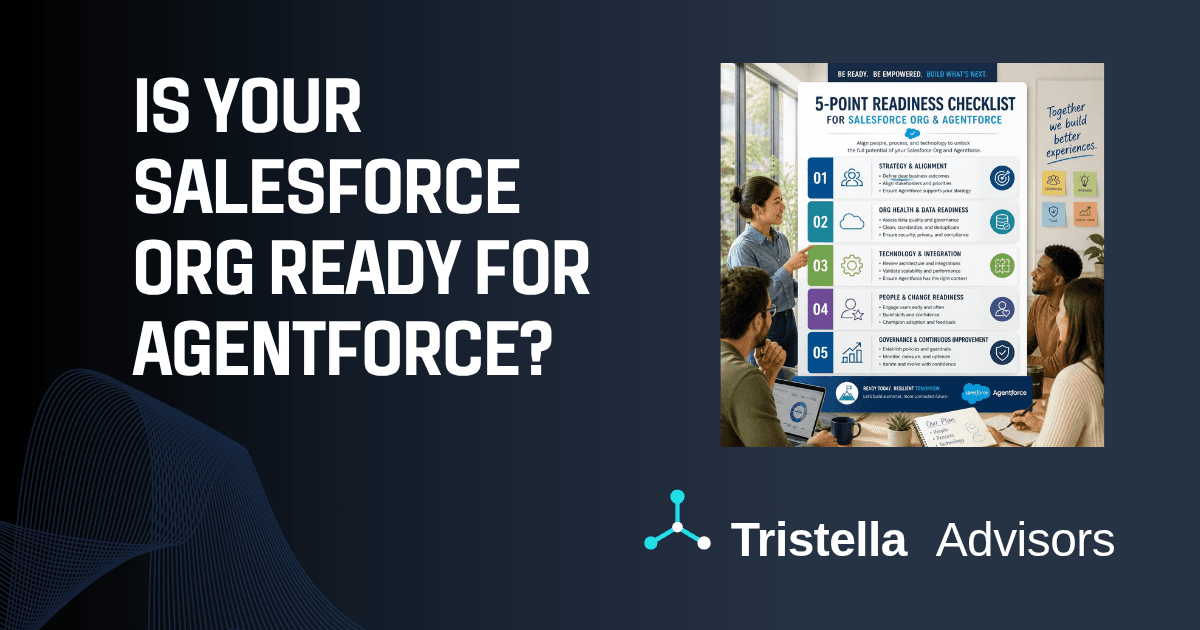
Is Your Salesforce Org Ready for Agentforce? A Practical 5-Point Readiness Check
Salesforce has closed over 9,500 paid Agentforce deals since launch. 19% of those deployments never reach payback. The failures don't come from the AI platform. They come from data quality problems, tangled automation, outdated permission models, and use cases that were never defined precisely enough to measure. Before you build a single agent, five things in your org need to be in order. This checklist tells you what to look for and what to fix first.
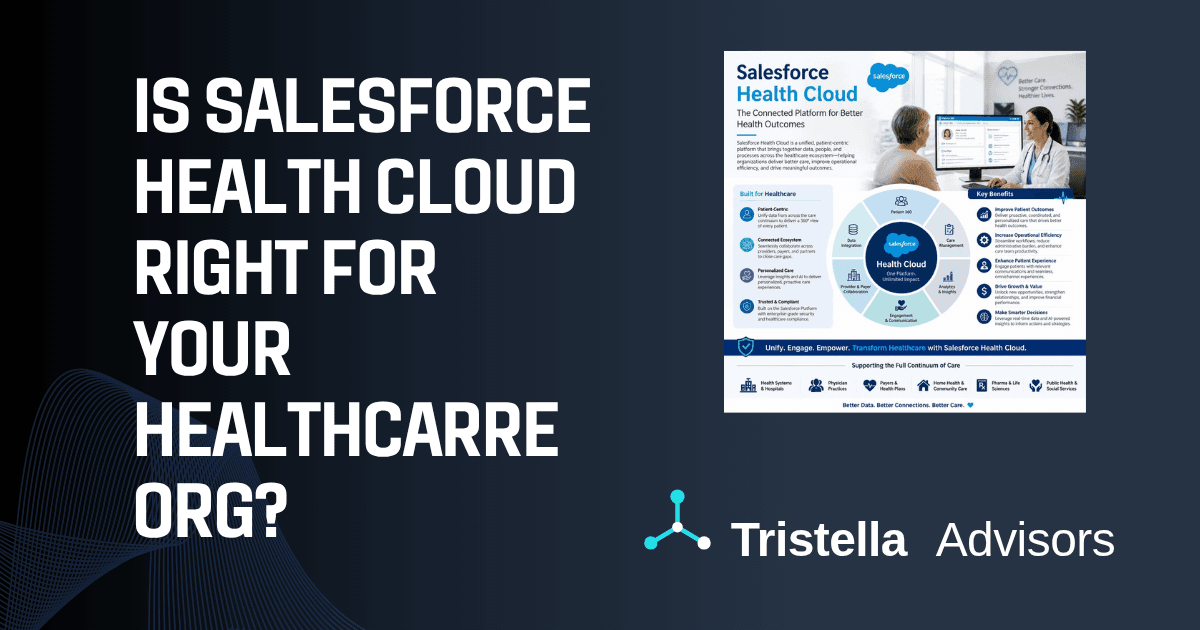
What Is Salesforce Health Cloud and Is It Right for Your Healthcare Organization?
Salesforce Health Cloud is not Salesforce with a healthcare logo. It runs on a different data model, serves a specific set of organizational use cases, and costs significantly more to implement than most evaluations account for. Here's what it actually is, who it's designed for, and the questions worth asking before you commit.
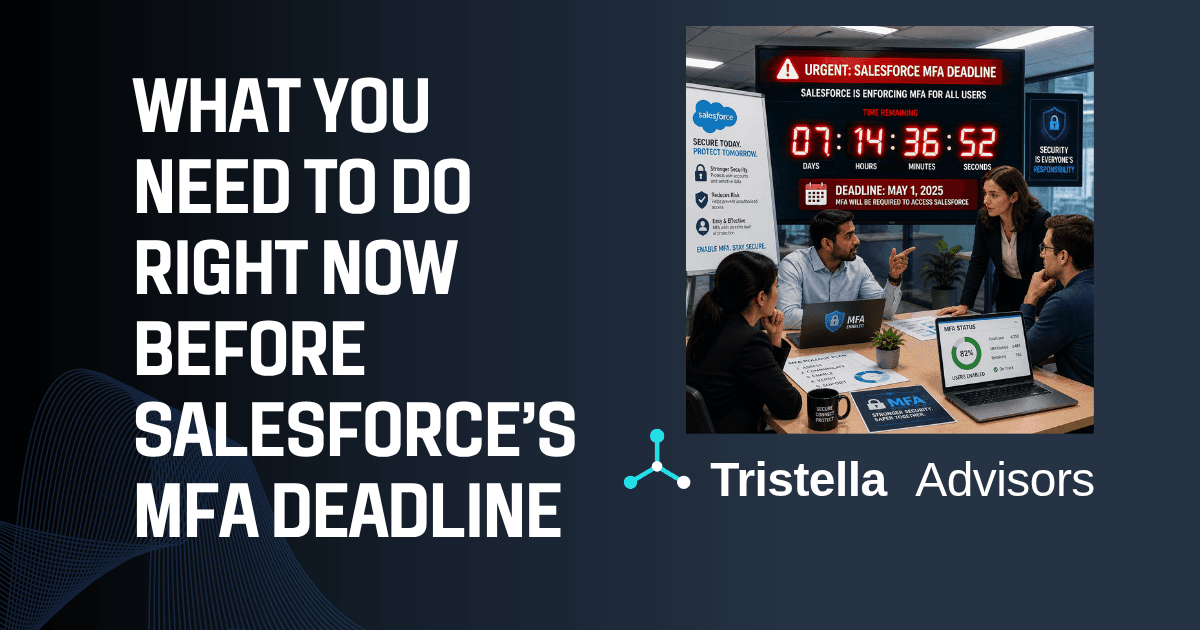
Salesforce MFA enforcement is live: what to do if your org isn't ready
July 1 enforced phishing-resistant MFA for admins. July 20 enforces standard MFA for every other internal user in your org , and the "Waive MFA for Exempt Users" permission stops working. If you're running SSO through Okta or Azure AD, there's an additional signal configuration most orgs haven't checked. Here's what to do before the deadline reaches your org.
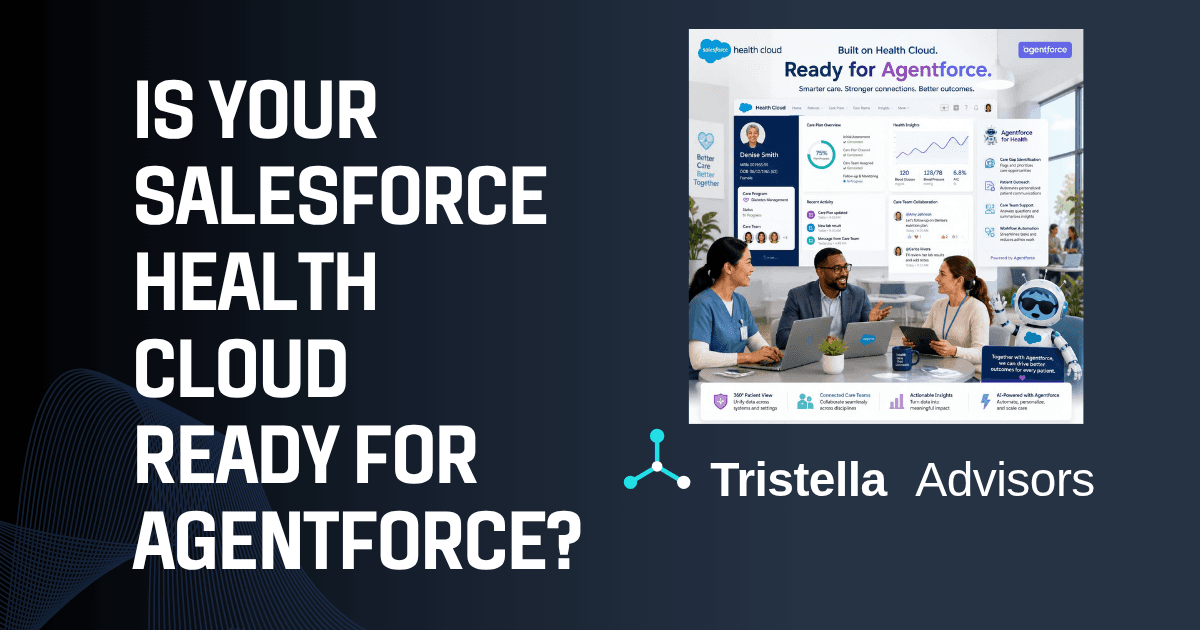
Is Your Salesforce Health Cloud Ready for Agentforce? What Nobody Tells You Before You Start
Most Agentforce readiness guides were written for standard Salesforce orgs. Health Cloud is a different platform with a different data model, different compliance requirements, and an EHR integration layer that determines whether your agents have the data they need to do anything useful. Before you scope an Agentforce project on Health Cloud, here's what you actually need to know.
What is Salesforce Agentforce and is your org ready for it?
Salesforce is calling Agentforce the fastest-growing product in company history, with 29,000 deals closed and $1.4 billion in ARR. Real deployments are delivering real results: 84% case resolution, meeting prep cut from an hour to a minute, 60% autonomous case deflection. But only 5.3% of Salesforce customers have actually deployed it, and the gap between interest and production comes down to one thing: org readiness. Here's what Agentforce actually does, what it's delivering for organizations that got it right, and what your org needs to address before any of that is possible.
Salesforce changed the locks and most orgs aren't ready
Between April and July 2026, Salesforce is enforcing the biggest wave of security changes the platform has seen in years. Some of it is already live. The rest hits production on July 1. Most orgs aren't ready, and the failure modes aren't subtle: administrators locked out at login, emails disappearing silently, reporting workflows blocked mid-export. Here's what's changing, who it hits hardest, and what to do before the deadline.