Insights
Perspectives on AI governance, technical leadership, and building resilient technology organizations.
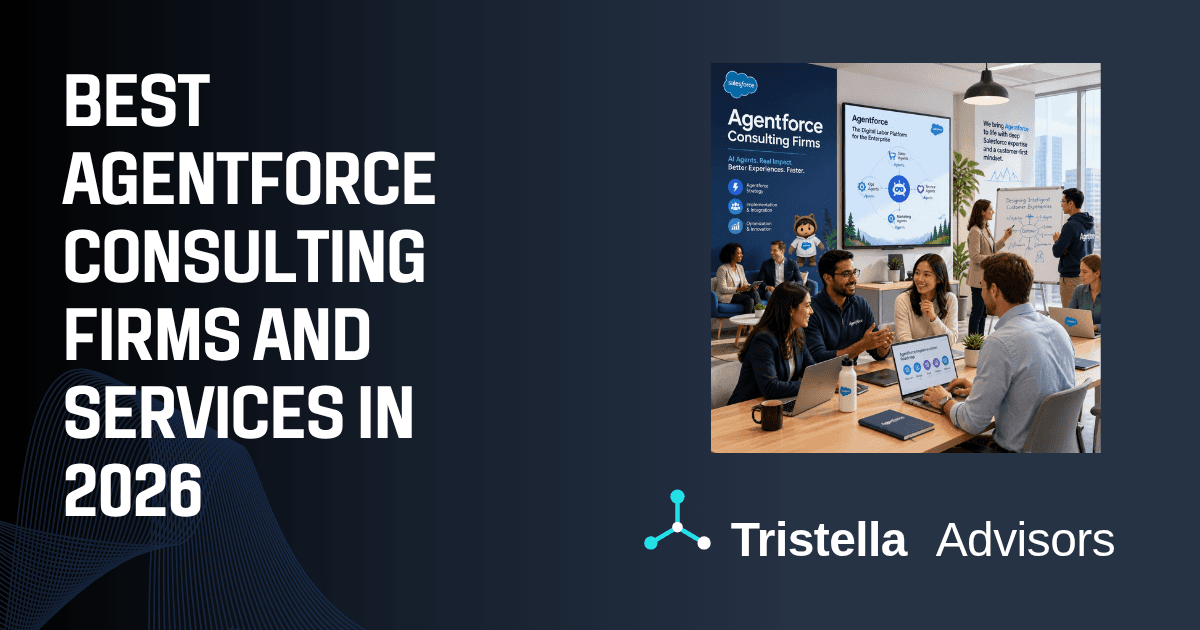
Best Agentforce Consulting Firms and Services in 2026: How to Evaluate Your Options
The best Agentforce consulting firms fall into three tiers: boutique specialists with vertical depth, mid-market firms that prioritize adoption alongside implementation, and global system integrators for enterprise-scale programs. The difference between a firm with production Agentforce implementations and one building its practice as it goes with your project is significant on a platform still maturing. This post covers five firms , Tristella Advisors, Zennify, Slalom, Accenture Salesforce Business Group (which absorbed NeuraFlash in 2025), and Deloitte Digital — across distinct models and buyer profiles. The evaluation criteria covered: production implementation track record, Data Cloud depth, org health assessment practices, topic and action design quality, governance and post-go-live design, and regulatory compliance depth for healthcare, financial services, and other regulated industry deployments.
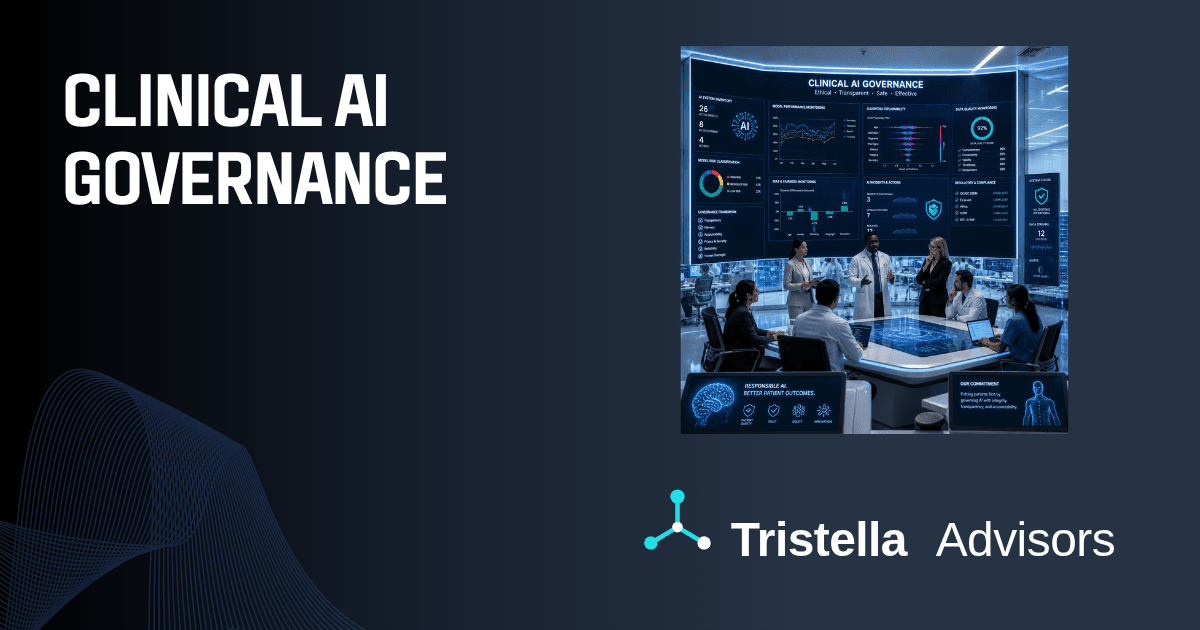
What Is Clinical AI Governance? A Practical Guide for Health System Leaders
Clinical AI governance is the policies, processes, organizational structures, and technical controls that a health system uses to ensure AI systems deployed in clinical and administrative workflows operate safely, accurately, and equitably throughout their operational life. It is distinct from general enterprise AI governance in ways that matter: patient safety risk, FDA SaMD obligations, ONC transparency requirements, HIPAA data architecture, and equitable outcomes obligations create governance requirements that general enterprise frameworks do not address. This post covers what clinical AI governance actually includes across eight program components, how clinical AI data governance differs from general data governance, why governance is not the same as compliance, what the governance responsibility looks like specifically for CIOs, and the best practices that separate functioning governance programs from governance frameworks that exist only on paper.
Best Clinical AI Governance Software and Advisory Firms for Health Systems in 2026: How to Evaluate Your Options
Clinical AI governance solutions for health systems come in two forms: software platforms that monitor, detect bias, and maintain audit trails across deployed AI systems, and advisory firms that design the governance frameworks those platforms will operationalize. Most health systems serious about scaling AI need both, but the sequence matters — governance software monitors decisions you have already made, and organizations that deploy monitoring tools before defining their policies end up with data they do not know how to act on. This post covers five software and platform options (Ferrum Health, Credo AI, Arthur AI, Arize AI, Fiddler AI) and three advisory options (Tristella Advisors, Deloitte, Accenture), with evaluation criteria specific to clinical AI: FDA SaMD lifecycle alignment, EHR and FHIR compatibility, clinical population bias monitoring, audit trail depth, and human oversight workflow design.
Best Healthcare IT Strategy Consulting Firms for Hospitals and Health Systems in 2026: How to Evaluate Your Options
Healthcare IT strategy consulting is a distinct discipline from implementation or staffing: it is the work of deciding what to build, buy, prioritize, and govern across a multi-year technology horizon. In 2026, that work is inseparable from AI strategy, and the firms that do it well come at it differently. Some bring tier-1 management consulting rigor (McKinsey, Oliver Wyman); some bring Big 4 advisory breadth with an integrated path to implementation (Deloitte); some embed their advisory in proprietary analytics platforms (Health Catalyst); and some bring market intelligence and forecasting that positions technology decisions in the context of projected demand (Sg2 by Vizient). This post evaluates six firms across those distinct models, describes the client profile each serves best, and gives health system and payer leaders a practical framework for matching the type of question they are asking to the type of firm built to answer it.
Best Interim CTO Firms for Startups and PE-Backed Companies in 2026: How to Evaluate Your Options
Interim CTO engagements are full-time, time-boxed, and deliverable-focused, a different structure from fractional CTO coverage, and one that requires a different kind of firm to execute well. This post evaluates six firms across distinct models: boutique specialists (Tristella, Cerius), established fractional and interim C-suite networks (TechCXO, Chief Outsiders), a marketplace (Toptal), and an executive search firm with an interim placement practice (Cowen Partners). Each write-up covers what the firm is best for, what its limitations are, and which situation it actually serves well.
What Is FHIR and What Does It Actually Mean for Healthcare Organizations?
FHIR (Fast Healthcare Interoperability Resources) is the HL7 International standard that defines how health data is structured and exchanged between software systems using modern REST APIs, replacing decades of proprietary formats and point-to-point interfaces. For healthcare organizations, FHIR is now as much a regulatory requirement as a technology choice: ONC's 21st Century Cures Act rules mandate FHIR R4 for EHR certification and patient data access, while CMS-0057-F requires payers to implement four FHIR APIs by January 2027. This post covers what FHIR actually is, how it works, what the federal mandates require of providers and payers, where FHIR creates opportunity for clinical AI, and what it does not solve.
Best Healthcare IT Consulting Firms for Hospitals and Health Systems in 2026: How to Evaluate Your Options
The best healthcare IT consulting firm for your hospital or health system depends on what you are actually trying to accomplish: a large-scale EHR implementation, a clinical AI governance program, revenue cycle transformation, or a specific platform like Salesforce Health Cloud. This post evaluates six firms across distinct models- boutique specialists, an EHR platform leader, full-service advisory, and large-scale transformation firms- on the criteria that matter most to hospital and health system buyers. Each firm profile describes what it is genuinely best for, what its limitations are, and which client profile it actually serves well.
AI Governance Failures: Real Cases, Regulatory Consequences, and What Each One Cost
The six cases in this post, iTutorGroup, Optum, IBM Watson for Oncology, the UK A-level grades algorithm, Australia's Robodebt scheme, and the Robert Julian-Borchak Williams facial recognition arrest, span six sectors, four countries, and more than a decade of AI deployment. Each involves a named organization, documented regulatory or legal consequences, and specific costs. Together they illustrate the same underlying pattern: automated systems making consequential decisions at scale without the outcome testing, validation, or oversight infrastructure needed to catch what the system was actually doing. The costs in every case significantly exceeded what a functioning governance program would have required.
Best Fractional CTO Firms for Startups in 2026: How to Evaluate Your Options
Not all fractional CTO firms serve the same startup profile, and choosing the wrong model (boutique firm vs. marketplace vs. advisor network) is as consequential as choosing the wrong person. This post evaluates six firms across three categories, using criteria that actually distinguish them: who you get versus who the firm leads with, whether the practitioner has startup or corporate background, AI competency as a baseline requirement in 2026, and whether the engagement model delivers accountability or just access. The firms covered include Tristella Advisors (the publisher of this post, positioned for non-technical funded founders at the pre-seed to Series A stage), TechCXO, Toptal, CTOx, Fractionus, and Connectd. The final section maps each firm to the founder profile it actually serves best.
What Agentforce Consulting Actually Involves: Implementation, Configuration, and Governance from Go-Live to Production
There is a meaningful difference between an Agentforce partner who has built demo environments and one who has run a production deployment. This post is written for buyers who have already decided on Agentforce and need to know what implementation actually involves before choosing who runs it. The work spans six phases: a readiness assessment that surfaces data quality and integration gaps before they become timeline problems; agent design covering Topics, Actions, and escalation paths; configuration, including Einstein Trust Layer setup and prompt engineering; integration with external systems; edge case and escalation testing; and go-live deployment. Beyond go-live, production governance, performance monitoring, version management, and incident response are what determine whether an agent that worked at launch continues to work at month six. This post covers what each phase requires and what separates production-ready implementation from demo-quality work.
What Is a Fractional AI CTO and When Does an AI-Native Startup Need One
Most fractional CTOs who describe themselves as "AI-experienced" have integrated AI tools into client work or built AI features on top of existing products. That is not the same as owning the architecture of a product whose core value proposition is AI. A fractional AI CTO is a specific thing: senior technical leadership for companies building AI-native products, with hands-on domain expertise in model selection, RAG architecture, inference cost management, evaluation infrastructure, and AI governance baked into the product layer. This post defines what that role actually covers, how it differs from a generalist fractional CTO and from the Chief AI Officer role enterprises are creating, when an AI-native startup needs that specialization versus when a generalist is sufficient, and what the AI expertise premium looks like in practice.
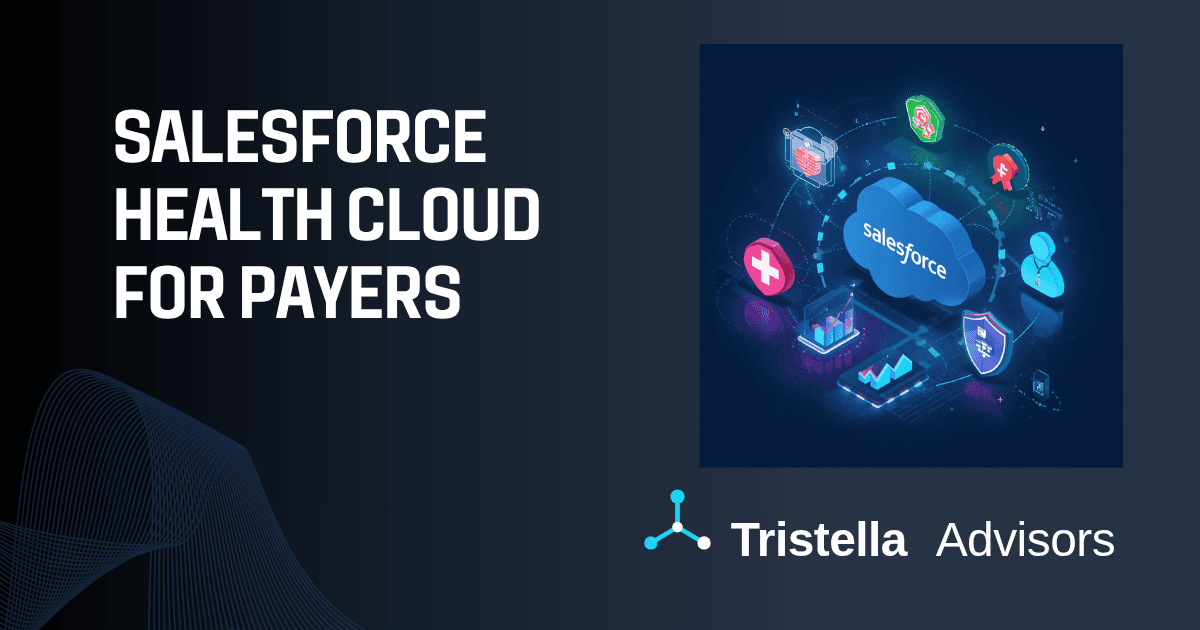
Salesforce Health Cloud for Payers: What It Does, How It's Configured, and What a Successful Implementation Requires
Salesforce Health Cloud for payers is not the same product as Health Cloud for health systems, and the implementations are not interchangeable. Payers are managing members, plans, claims, and care gaps, not patients and clinical encounters. The source systems are claims processors like TriZetto Facets and QNXT, not EHRs. The regulatory requirements include CMS interoperability mandates, Star Ratings quality programs, and the CMS Prior Authorization Rule's FHIR API requirements that took effect in January 2026. This post walks through what Health Cloud actually does for managed care organizations: member 360, HEDIS and care gap management, prior authorization tracking, provider network management, and Agentforce-powered member services automation. It also covers what makes payer implementations structurally different from provider implementations, what CMS compliance requires of your data architecture, and what to look for in an implementation partner who actually knows the payer side of Health Cloud.
Hospital IT Strategy Consulting: What It Is, What It Costs, and When Your Hospital Needs One
Hospitals searching for IT strategy help use "hospital IT" language — but most advisory firms publish everything under "healthcare IT," which is why the gap exists. This post addresses hospital buyers directly: what hospital IT strategy consulting covers (EHR optimization strategy, clinical AI and decision support, interoperability, vendor governance, revenue cycle integration), what makes it distinct from both general healthcare IT consulting and Epic implementation work, and how consulting needs differ by hospital type — health system, academic medical center, community hospital, and critical access hospital. The post also covers what hospital IT strategy consulting costs ($20K–$50K for a discovery engagement, $10K–$25K/month for ongoing advisory) and what to look for in a consultant, including why acute care experience matters in ways that general healthcare industry experience does not.
What Is an Interim CTO? Services, Costs, and When Full Coverage Is What You Actually Need
Organizations searching for "interim CTO" and "temporary CTO" are usually at a different moment in the decision than those exploring fractional CTO arrangements. They have a specific situation, a compressed timeline, and a need that a part-time ongoing relationship cannot address. This post clarifies what interim CTO actually means versus fractional and temporary, explains the specific situations that call for full-coverage executive presence (CTO departure, post-acquisition integration, PE portfolio stabilization, crisis management), and covers what an interim engagement actually looks like from scope definition through knowledge transfer. It also addresses the private equity use case in detail: why PE firms use interim CTOs post-acquisition, what a rapid technical assessment delivers, and how interim coverage transitions into a fractional retainer once the acute situation is resolved. Pricing: $8,000 to $15,000 per week.
Clinical AI Governance for Health Systems: A Practical Framework for CIOs, CMIOs, and Compliance Teams
Clinical AI governance is not the same as HIPAA compliance, and health systems that treat them as equivalent are carrying regulatory exposure they have not yet measured. This post is a working framework for CIOs, CMIOs, and compliance teams who need to govern AI tools operating in clinical settings: the FDA SaMD classification questions that determine which tools require clearance, what a clinical AI committee actually does and who needs to be on it, how to risk-tier an AI inventory across a health system, and the six governance pillars that distinguish programs with real authority from programs that exist on paper. The post covers why clinical AI governance fails when it is designed like general enterprise AI governance, how shadow AI in clinical departments is the most common gap we find in health system assessments, and the specific steps that produce a durable governance program.
AI Governance Failures: What Goes Wrong and What It Actually Costs Organizations
AI governance failures don't happen because AI breaks. They happen because the oversight, accountability, and monitoring infrastructure to catch what AI is doing wrong doesn't exist. This post looks at four recurring patterns behind the biggest governance failures, from Amazon's hiring algorithm that systematically downgraded women's resumes for three years before anyone intervened, to Zillow's iBuying algorithm that produced $500 million in losses when market conditions changed faster than the model could detect. Each case had an identifiable governance gap that made the failure predictable: no AI inventory, no post-deployment monitoring, vendor attestation accepted as validation, or no incident response plan. The post covers what these failures actually cost beyond the headline number, what organizations that avoided major failures did differently, and where to start if your organization hasn't built governance infrastructure yet.
Fractional CTO for Pre-Series A Startups: What You Actually Need Before You Raise
The pre-Series A window is the highest-leverage period for fractional CTO work, and also the most commonly misunderstood. Most founders at this stage are not short on technical progress. They are short on someone who has prepared a company for Series A technical diligence before, knows what investors actually examine, and can get the architecture, security posture, engineering team, and technical roadmap into a state that survives scrutiny rather than creates problems in it. This post is specifically for founders between seed close and Series A raise: what a fractional CTO should actually be doing for you in this window, why the fractional model fits this stage better than a full-time hire, what to look for when evaluating fractional CTO firms for pre-Series A work, and when to make the transition to a full-time hire after the round closes.
Fractional CTO Rates in 2026: Hourly, Day Rate, Monthly Retainer, and What Drives the Difference
Most fractional CTO rate questions are really three different questions bundled together: what does an hour of this person's time cost, what does a focused day engagement run, and what does a monthly retainer look like? The answers depend on experience level, domain specialization, engagement depth, and whether you are working with an independent operator or a firm — and the ranges are wide enough that comparing quotes without understanding what drives them is genuinely difficult. This post breaks down all three rate structures, explains what you should expect at each price point from entry-level advisory to senior specialist, and gives you a framework for evaluating whether a given rate reflects the depth you actually need. Tristella's published rates are included so you have a real-world anchor.
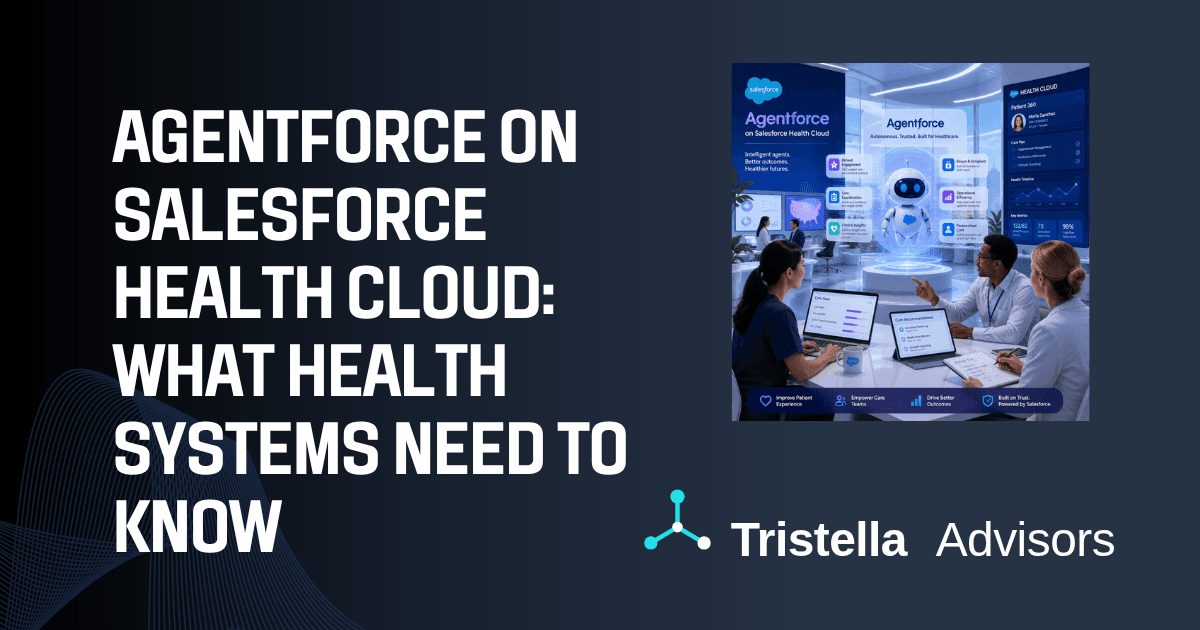
Agentforce on Salesforce Health Cloud: What Health Systems Need to Know Before They Start
Most health systems exploring Agentforce already have Salesforce Health Cloud in production. What they typically underestimate is that deploying Agentforce on Health Cloud is a fundamentally different project than a standard Agentforce implementation — the clinical data model, the HIPAA compliance setup, and the workflow dependencies make it its own thing. This post covers what that difference means in practice: what the Health Cloud instance needs to have in place before any agent development begins, how the Einstein Trust Layer applies to PHI use cases, which use cases deliver the most value first (care gap closure, prior auth support, discharge follow-up), the implementation sequence that works, and the three organizational problems that derail technically sound deployments. It is written for health system IT leaders and Salesforce teams who are ready to move past readiness assessment into actual implementation planning.
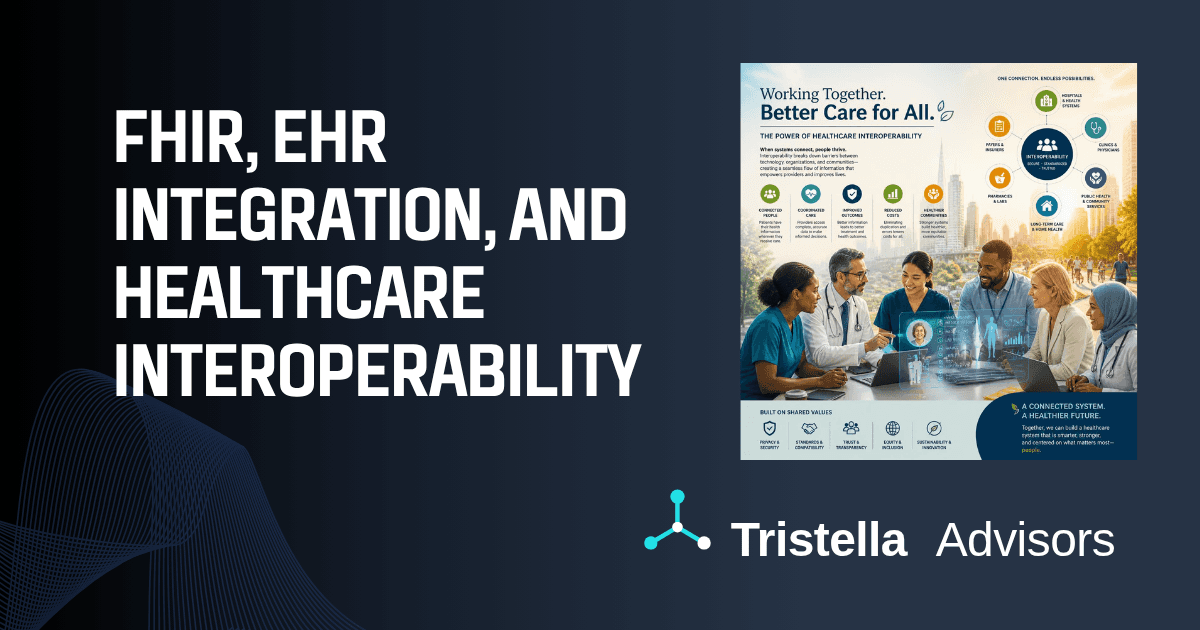
FHIR, EHR Integration, and Healthcare Interoperability: What Healthcare Organizations Actually Need to Know
Most healthcare organizations know they need to share data across systems. Most have already heard of FHIR. Far fewer understand what FHIR actually does, what it leaves unsolved, and why EHR integration projects still fail regularly even after the standards problem has been solved. This post covers the full picture: what FHIR R4 enables and what it does not; the regulatory mandate that made FHIR APIs mandatory for every ONC-certified EHR; how HL7 v2 and FHIR coexist in production environments; and where the real complexity lies in multi-system clinical data integration. For organizations evaluating Salesforce Health Cloud, there is a full section on how it connects to EHRs via FHIR and what clinical workflows actually benefit from that integration. The post closes with the governance and organizational questions every health system needs to answer before the project starts.

Fractional CTO Services for Private Equity and VC Portfolio Companies
Private equity and VC firms need senior technical leadership across their portfolio, but the math on a full-time CTO at every company rarely works. Fractional CTO services solve the cost and coverage problem, provided the firm engages a provider structured to work across a portfolio rather than one that pitches senior partners and staffs junior consultants. This post covers how PE and VC firms actually use fractional CTOs, the two engagement models that work, what a fractional CTO does inside a PE-backed company, how technical due diligence functions as a starting point, and what to demand from a firm before you put them in front of your portfolio.
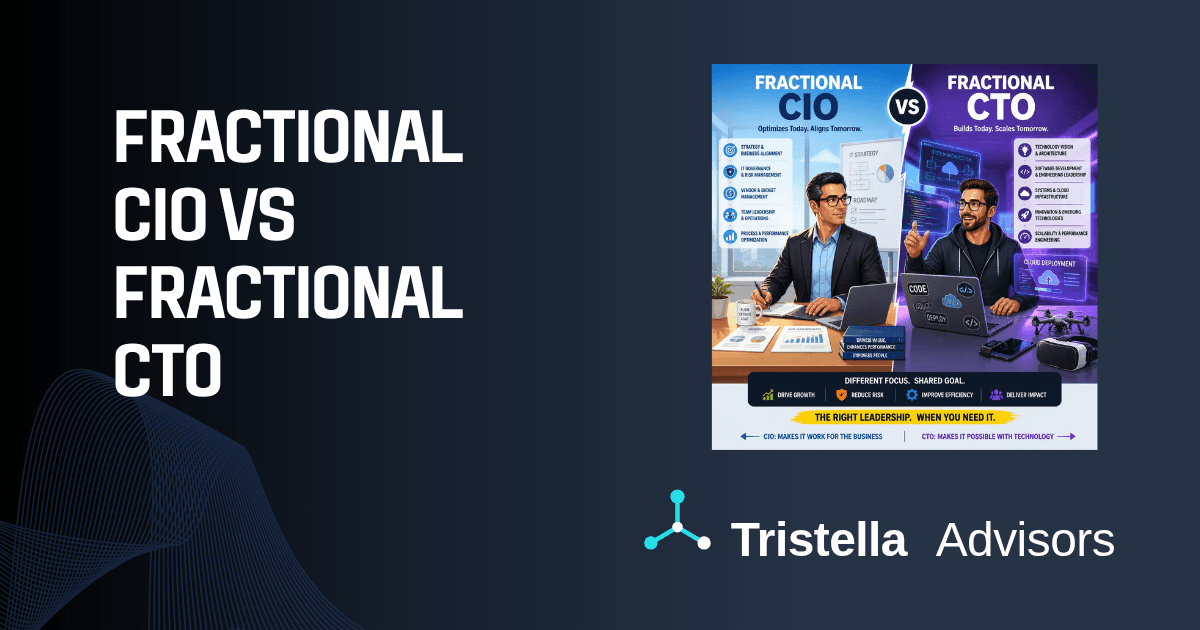
Fractional CIO vs. Fractional CTO: Why Most Funded Startups Need One and Not the Other
The post makes the ICP case in the second section ("What a CTO actually does") and again explicitly in the diagnostic section, while staying credible by honestly describing when a fractional CIO IS the right answer. The "category error to watch for" section is designed to capture founders mid-search who are accidentally evaluating the wrong kind of candidate.
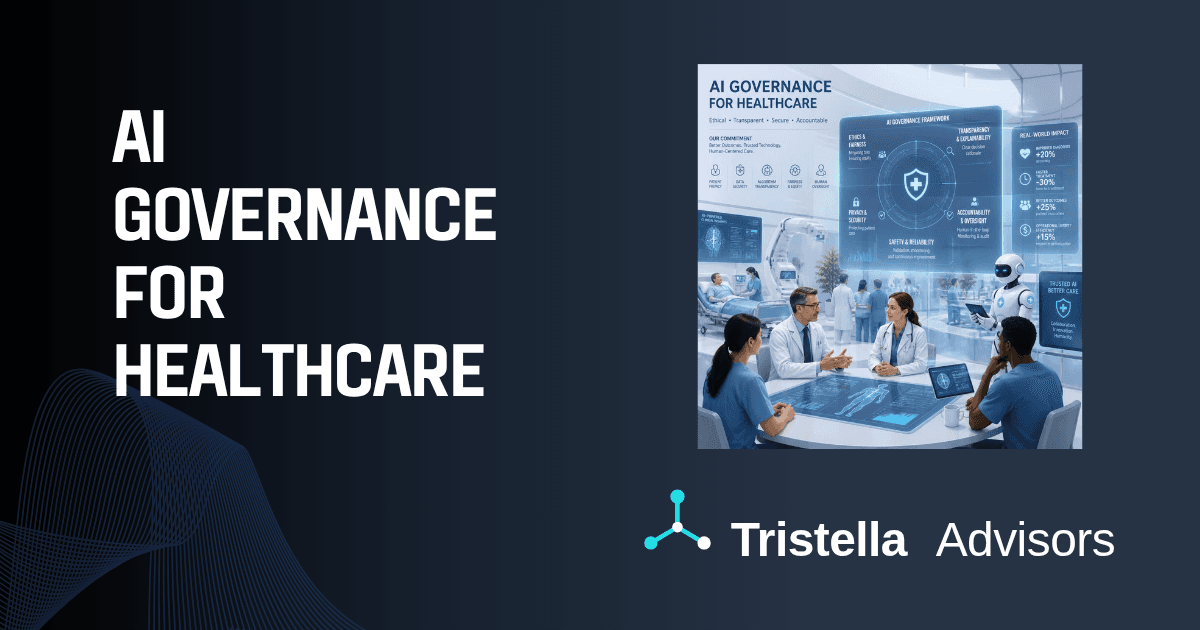
AI Governance for Healthcare: HIPAA, Clinical AI, and What Regulated Organizations Actually Need
AI governance in healthcare is not the same as HIPAA compliance. HIPAA governs how protected health information is handled. AI governance governs whether AI systems make decisions that are accurate, accountable, fair, and defensible under frameworks HIPAA was never written to address. Healthcare organizations deploying AI in 2026 face overlapping regulatory requirements from at least four distinct sources: HIPAA, FDA device classification rules, ONC clinical decision support guidance, and the EU AI Act for organizations with European exposure. Each layer asks different questions about different risk surfaces. This post explains what each layer actually requires, where they overlap and where they do not, and what a complete healthcare AI governance program needs to cover to hold up under scrutiny from regulators, enterprise customers, and health system risk committees.
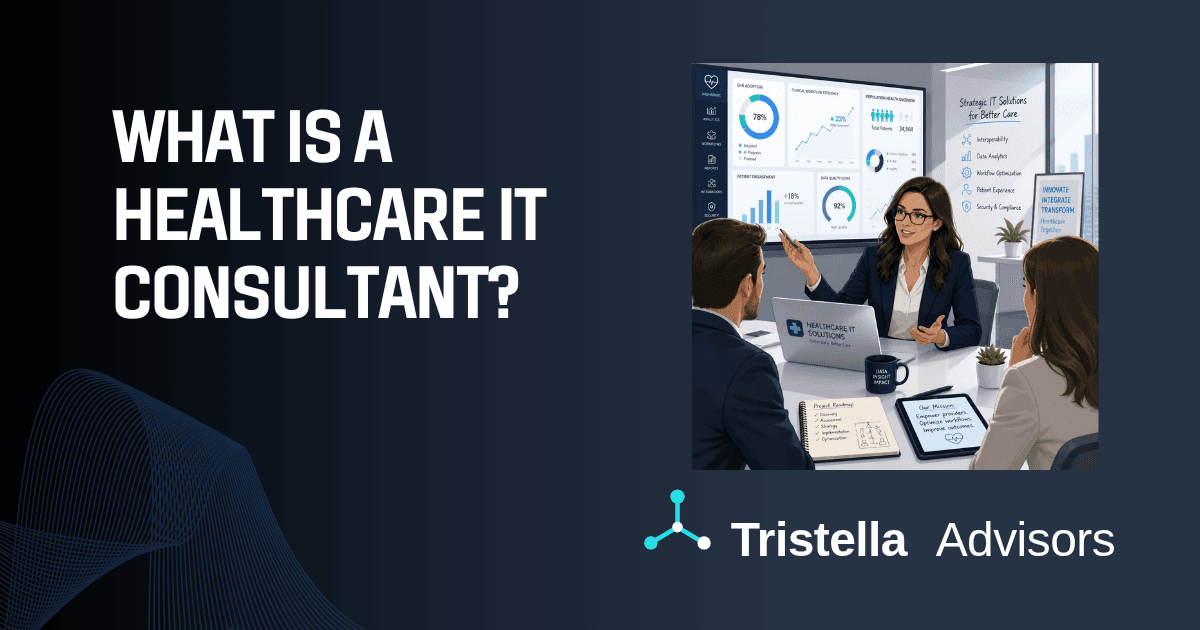
What Is a Healthcare IT Consultant? Roles, Costs, and When to Hire One
A healthcare IT consultant is an external specialist hired to advise healthcare organizations on technology strategy, system implementation, regulatory compliance, and digital transformation. But the title gets applied loosely, and hiring the wrong type is a common, expensive mistake. There are six distinct specializations: EHR implementation and optimization, IT strategy, cybersecurity and HIPAA compliance, clinical informatics, revenue cycle management, and AI and emerging technology. Each addresses a different problem type, operates at a different layer of the technology stack, and requires different credentials to evaluate. This guide covers what each type does, when to hire outside expertise vs. build internal capability, how to evaluate a consultant, and what healthcare IT consulting costs in 2026.
SSPM vs. AI Governance Tools: Why They're Solving Different Problems
SSPM and AI governance tools are not competing products, and they are not two names for the same category. They address different risk surfaces, answer different questions, and belong to different parts of your security and compliance budget. In 2026, vendor marketing has blurred the line enough that buyers are routinely purchasing the wrong thing for the problem in front of them. This post explains what each category actually does, where the genuine overlap is, and how to decide what your organization needs.
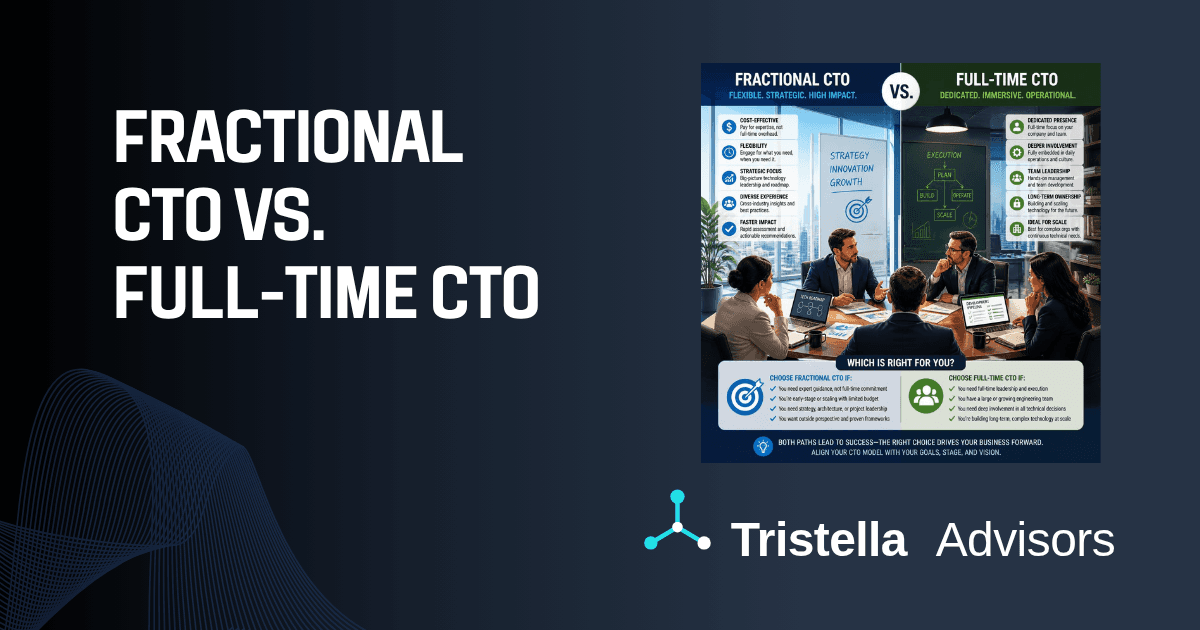
Fractional CTO vs. Full-Time CTO: When Each Model Makes Sense (2026)
The fractional CTO and the full-time CTO are not competing versions of the same job. They are the right answer to different questions at different stages of a company's life. This post compares both models across what actually matters: what each provides that the other cannot, 2026 cost data, a stage-by-stage decision framework, and what the transition from fractional to full-time looks like when it is done well.

Fractional CTO for VC and PE Portfolio Companies: How Funds Structure Technical Leadership Across a Portfolio
If you are a general partner, operating partner, or portfolio support lead at a VC or PE firm, the fractional CTO question is not about one company's technical leadership gap. It is about solving it across a portfolio of companies at different stages and with varying urgency levels, while managing conflicts of interest, operating partner reporting, and deployment speed when a portfolio company faces a crisis. This post covers how portfolio-level fractional CTO coverage works, how the engagement structure differs between venture and private equity contexts, the specific questions a fund should ask before engaging a firm, and what this costs relative to individual company retainers.
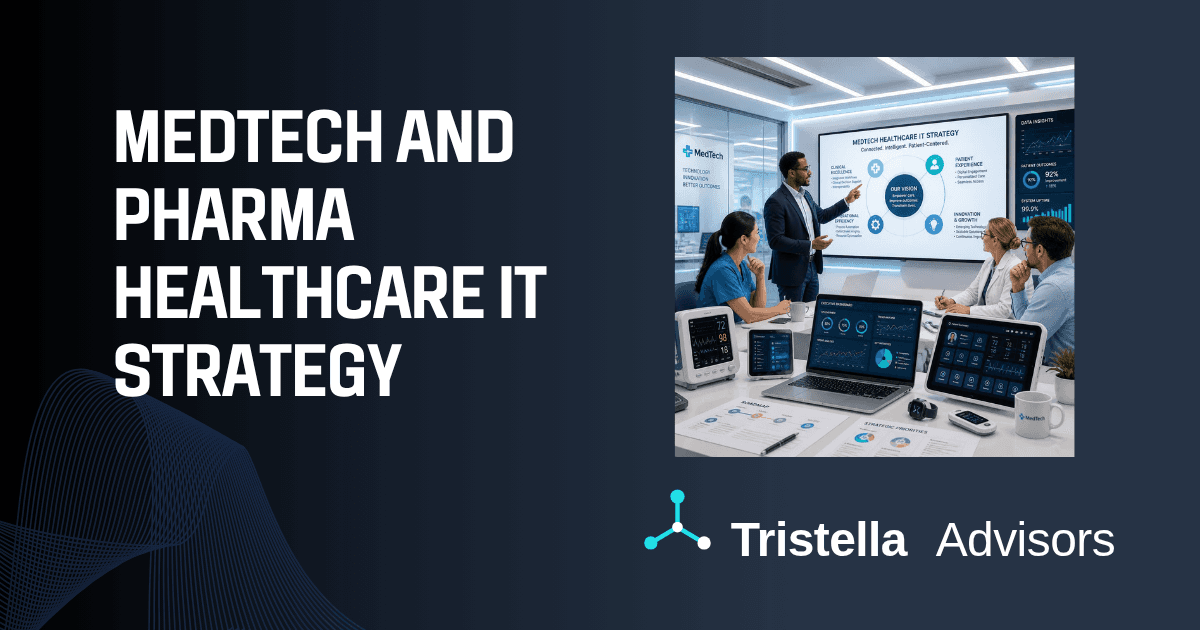
Healthcare IT Strategy for Medtech, Pharma, and Life Sciences: What's Different and What It Costs
Healthcare IT strategy for medtech, pharma, and life sciences companies is governed primarily by FDA regulations, not by HIPAA and ONC interoperability rules that shape health system IT decisions. The technology choices that carry compliance risk are different; what validation means is different; how AI is governed is different; and what a technology strategy must produce before a company can ship a product or submit to a regulator is different. This post explains what medtech IT strategy actually covers (SaMD, IEC 62304, FDA's PCCP for AI/ML devices), what pharma IT strategy requires (21 CFR Part 11, GxP validation, CDISC-compliant clinical data systems), and where the two frameworks still intersect on HIPAA and interoperability.
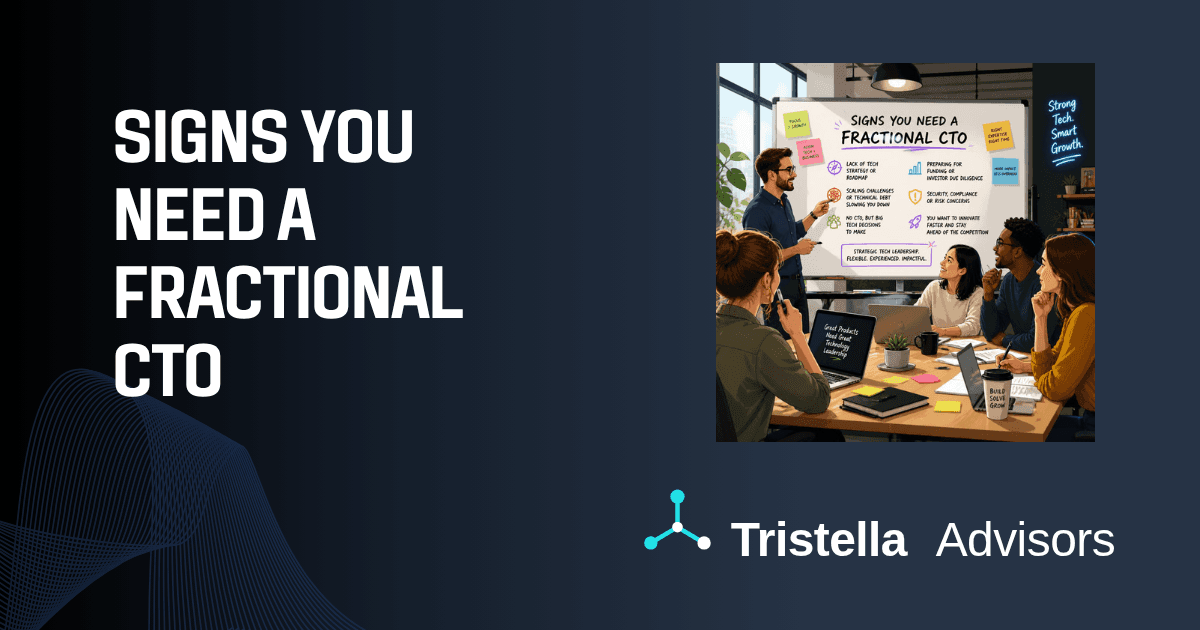
Signs You Need a Fractional CTO
The clearest sign you need a fractional CTO is a consequential technical decision sitting in front of you with no one on your team who has made it before. The harder-to-see version is the slow accumulation of choices made without senior judgment, which has quietly constrained the business. This post covers ten specific patterns, from non-technical founders without a technical evaluator to engineering teams shipping AI without production AI experience, plus the situations where a fractional CTO is not the answer.
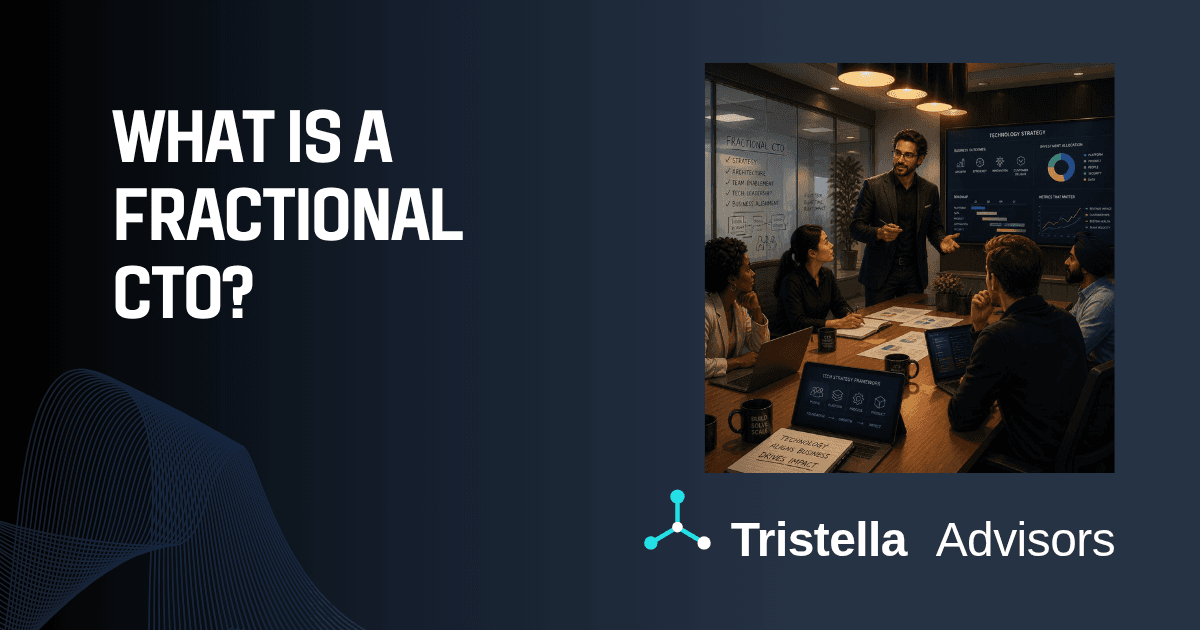
What Is a Fractional CTO? Complete Guide (2026)
A fractional CTO provides the same strategic technology leadership as a full-time CTO, including roadmap ownership, architecture decisions, engineering team direction, and board-level technical representation, at 10 to 20 hours per week and without the six-to-twelve-month search. Full-time CTO total compensation at a growth-stage startup runs $400,000 to $650,000 all-in. Fractional engagements run $10,000 to $25,000 per month. This guide covers what a fractional CTO actually does, how the role differs from a VP of Engineering, a consultant, and a full-time hire, when the model fits, what it costs in 2026, and what to look for when evaluating firms.
AI Governance Software vs. AI Governance Consulting: What Your Organization Actually Needs
AI governance software and AI governance consulting are not competing choices. Platforms like Credo AI, Zenity, Noma, SurePath AI, and Straiker solve real problems: policy enforcement at scale, agent behavior monitoring, shadow AI discovery, and compliance evidence management. What they do not do is design the governance model they depend on. If your organization does not yet have a documented AI inventory, named accountability, written policies, and a tested incident response process, the gap is in governance design, not governance tooling. This post explains what each software category does, what it cannot do, and how to decide which layer of the problem your organization actually has.
What Does Healthcare IT Strategy Consulting Cost? Fees, Retainers, and What You're Actually Buying
Healthcare IT strategy consulting costs range from $3,500 for a single advisory day to $150,000 or more for a full implementation project, with retainers ranging from $8,000 to $15,000 per month for ongoing advisory work. The range is wide because the problems are wide. This post breaks down what each engagement type costs, what drives the variation between big-firm and boutique pricing, and what the fee is actually buying, so you can evaluate a proposal with enough context to ask the right questions.
How Do You Govern a Multi-Agent AI System in Production?
Most organizations do the pre-launch governance work with varying quality. The production work is where it actually fails. 80.9% of technical teams have AI agents in active testing or full production deployment. Only 14.4% of those agents went live with full security and IT approval. That gap is where production governance incidents come from. This post covers the four operational practices that keep a live multi-agent system within the boundaries you designed: observability, access review, kill switch architecture, and incident response.Most organizations handle pre-launch governance with varying quality. The production work is where it actually fails. 80.9% of technical teams have AI agents in active testing or full production deployment. Only 14.4% of those agents went live with full security and IT approval. That gap is where production governance incidents come from. This post covers the four operational practices that keep a live multi-agent system within the boundaries you designed: observability, access review, kill switch architecture, and incident response.
What Is an AI Governance Assessment and What Does One Cost?
An AI governance assessment is a structured review of how an organization identifies, controls, and is accountable for its AI systems. A good one produces two things: a scored picture of where your governance posture stands today, and a prioritized roadmap of what to fix first. 87% of organizations report having AI governance frameworks. Fewer than 25% have fully implemented the controls described in those frameworks. This post covers what an assessment actually covers, what the maturity model looks like, and what one costs across three tiers, from enterprise frameworks to scoped boutique engagements.
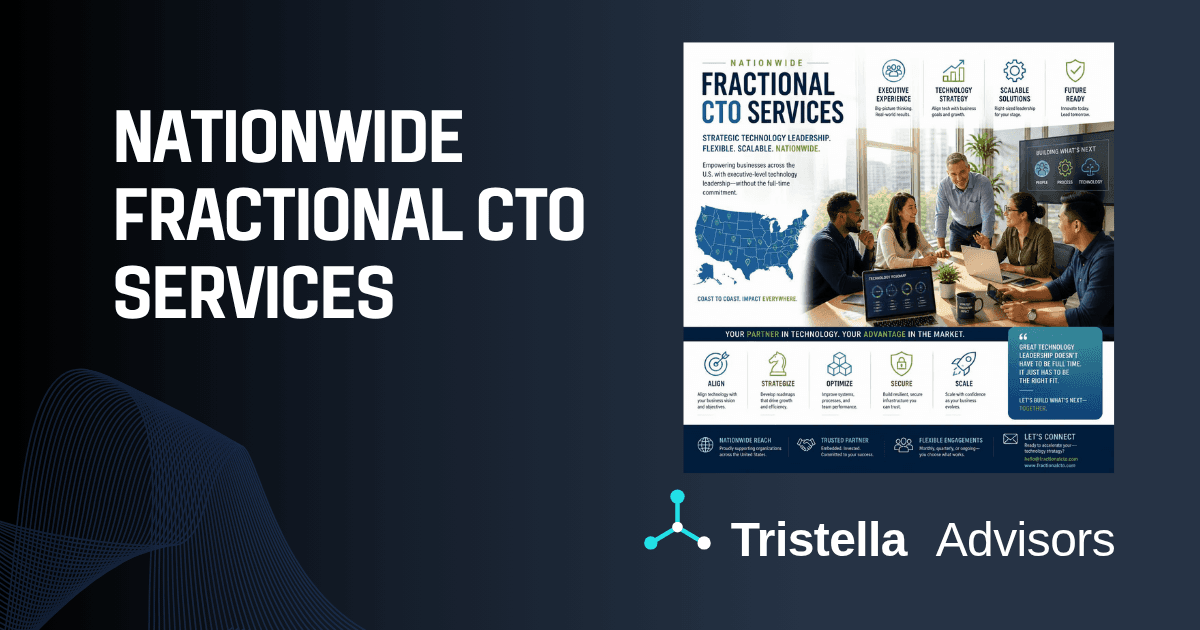
Fractional CTO Services for New York, California, Washington, DC, and Beyond: How Remote Fractional CTOs Work
Tristella Advisors is based in Maine and Pennsylvania. Most fractional CTO clients will come from New York, California, Washington, DC, and Seattle. That is not a contradiction. The search queries that land founders on this page all reflect the same instinct: find someone local because local means accessible. That instinct is understandable and mostly wrong. This post covers how remote fractional CTO engagements work operationally, what makes each major startup market distinctive, and how to evaluate fractional CTO companies and consulting firms before you hire one.
What Does a Healthcare IT Strategy Consultant Do and When Do You Need One?
A healthcare IT strategy consultant helps health systems and health-tech companies make better technology decisions before they commit to a direction, and helps them recover when a decision has already gone wrong. The work is advisory, diagnostic, and planning-focused. It answers the question "what should we do?" before implementation consulting answers "how do we make this happen?" With 50 to 70% of healthcare IT projects failing to meet their original objectives, the strategy work that happens before a vendor is selected or an implementation begins determines most of the outcome. This post covers what healthcare IT strategy consultants actually do, five situations where you need one, and what to look for when hiring.
What Enterprise Buyers Ask About AI Governance Before Signing a Contract
Enterprise buyers have added AI governance to their standard procurement review process, and most funded startups discover this for the first time when a security questionnaire arrives with questions the company has never thought through. The questions are not hard to answer if you have done the work. They are very hard to answer on the spot if you haven't. This post covers the eight categories enterprise procurement teams actually review, what good looks like for each, and what founders consistently get wrong in the first enterprise sales cycle.
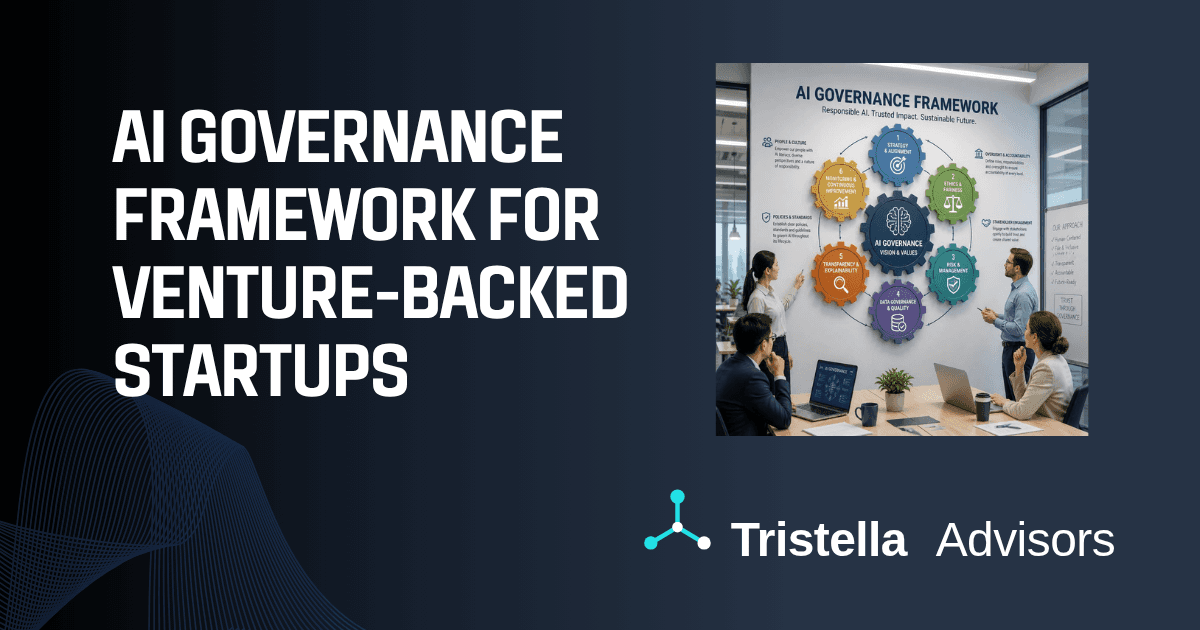
What AI Governance Framework Do Venture-Backed Startups Need Before Launch?
A funded pre-launch startup needs four things before going live with AI: an inventory of every AI system in the product and in internal operations, a use-policy document that defines what the AI does and does not decide, a named accountable owner, and a one-page governance summary for investors and enterprise buyers. That is the minimum viable governance posture. It can be built in two to four weeks. Everything beyond that depends on whether you are entering a regulated market, pursuing enterprise sales, or preparing for Series B and above. This post covers the staged framework and why NIST AI RMF and ISO 42001 fit differently depending on where you are in the journey.
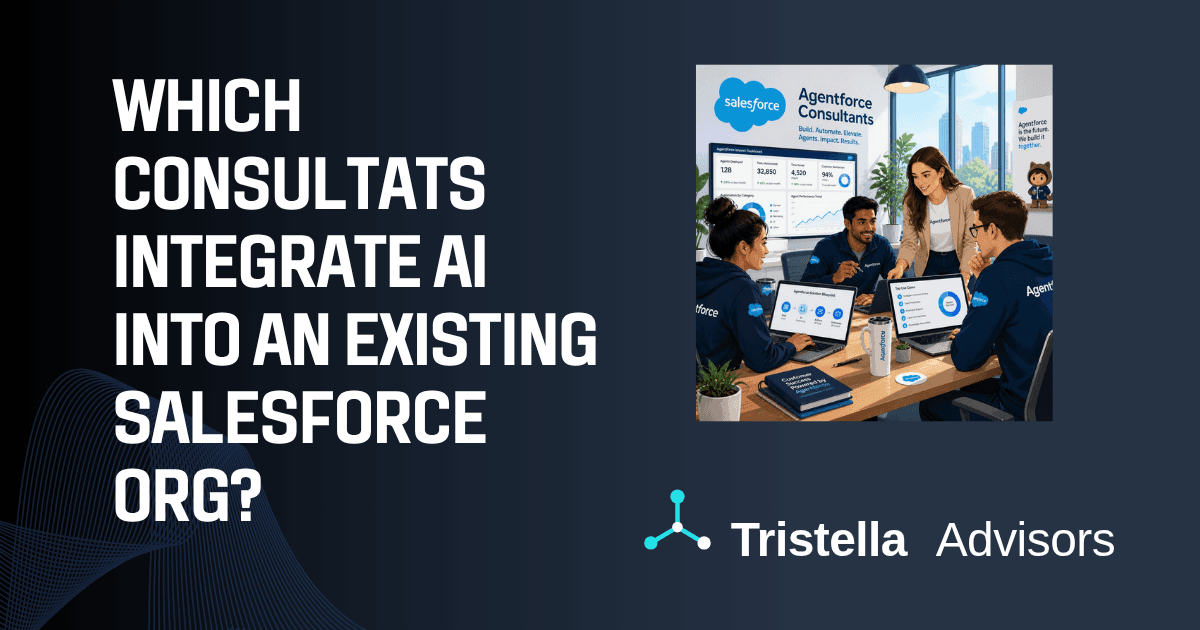
Which Consultants Have Deep Expertise Integrating AI Agents into an Existing Salesforce Org?
The real risk in an Agentforce deployment is not what an agent can do. It is what the agent is permitted to touch, whether its decisions are auditable, and who is accountable when it acts incorrectly. The consultants winning this work on certification counts and platform breadth are not the ones asking those questions first. This post covers the three failure patterns that appear when Agentforce is deployed without architect-level governance design, a five-question checklist for screening any Salesforce AI consultant before hiring them, and what regulated-environment Health Cloud experience actually signals.
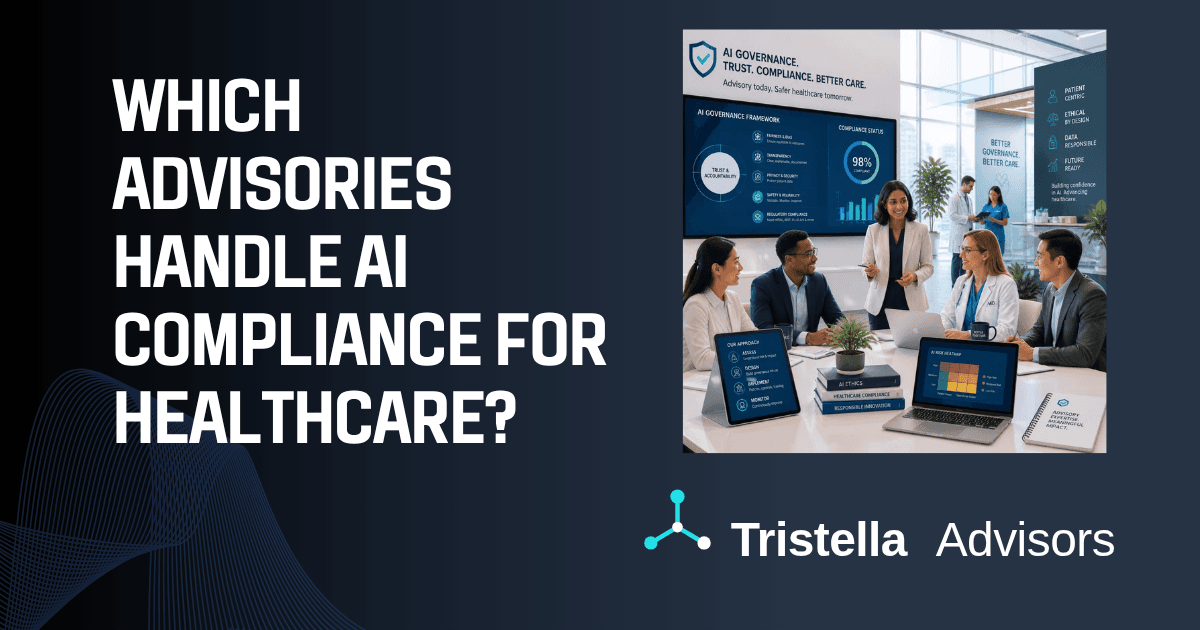
Which Advisory Firms Handle AI Governance Compliance for Healthcare Organizations?
The firms that actually solve healthcare AI governance are not the ones who deliver a HIPAA checklist and leave. The failure point in nearly every healthcare AI governance engagement is not the compliance framework. It is what happens to that framework once it exists on paper and clinical reality takes over. Three failure modes recur: clinician workflow rejection, unclear accountability when a model is wrong, and governance committees with no teeth for enforcement. This post explains a three-step Governance-Activation Framework that addresses all three, and who it is designed for.
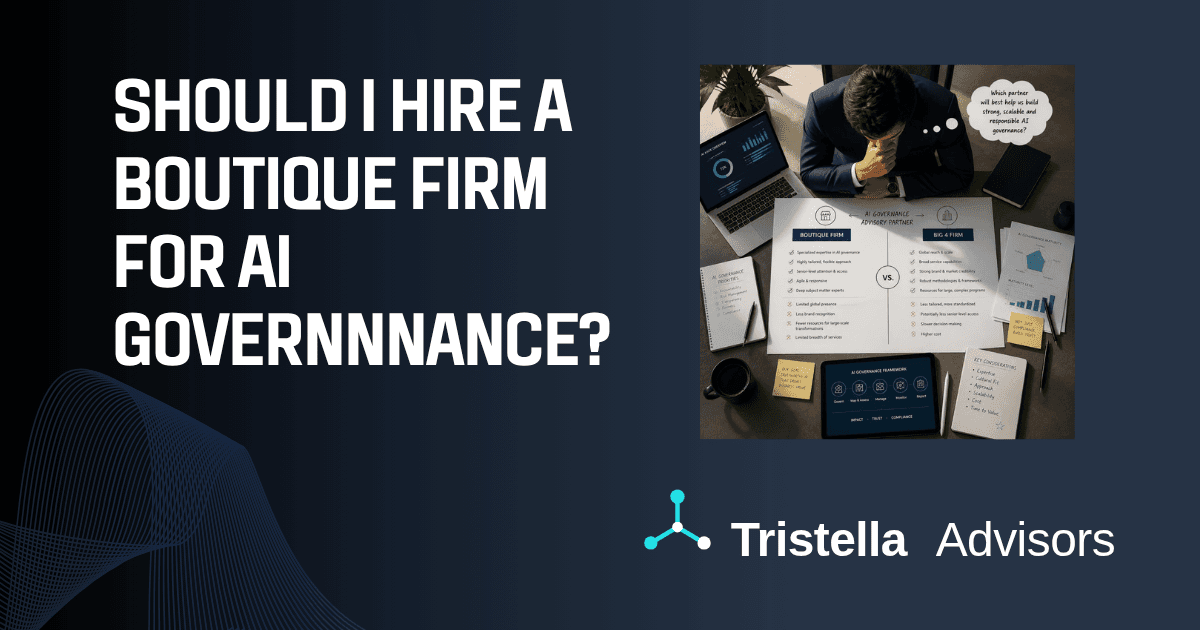
Should I Hire a Boutique Firm or a Big 4 Firm for AI Governance Advisory?
Big 4 AI governance engagements typically start at $500,000 and run three to six months before the first deliverable is in hand. A scoped boutique engagement can start governance work in weeks. That cost-and-timeline gap is real, but it's not the only factor worth understanding before you choose. This comparison covers what you actually gain and lose with each model, when the Big 4 brand on the cover page is worth the premium, and when senior-practitioner direct access from a boutique firm produces more value than a staffed-up engagement team.
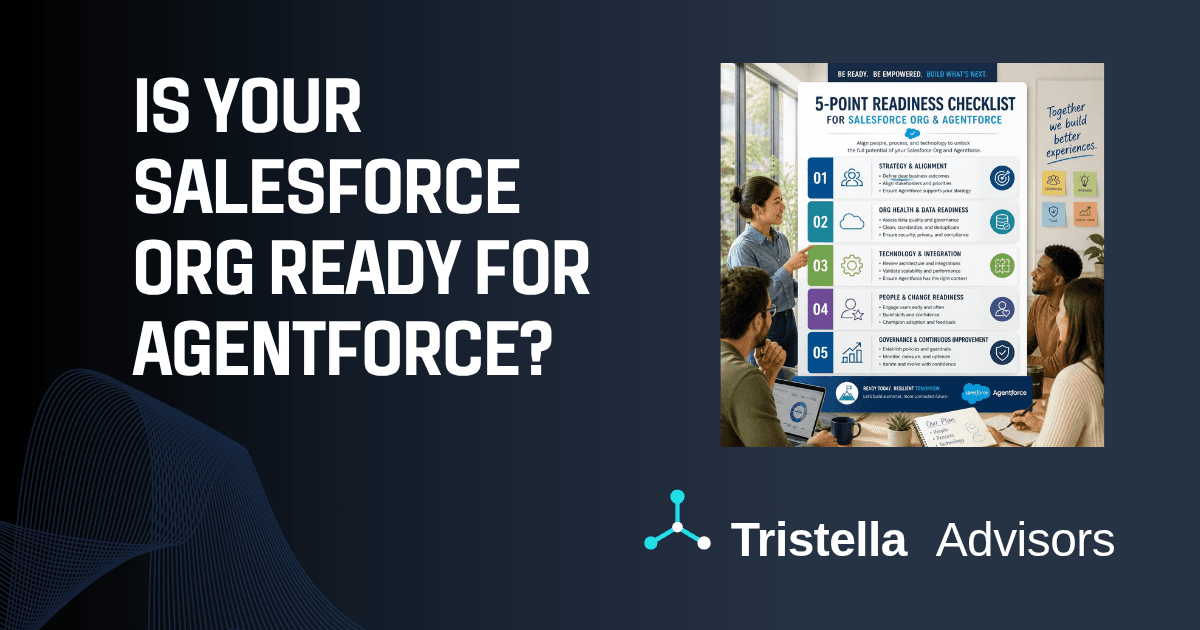
Is Your Salesforce Org Ready for Agentforce? A Practical 5-Point Readiness Check
Salesforce has closed over 9,500 paid Agentforce deals since launch. 19% of those deployments never reach payback. The failures don't come from the AI platform. They come from data quality problems, tangled automation, outdated permission models, and use cases that were never defined precisely enough to measure. Before you build a single agent, five things in your org need to be in order. This checklist tells you what to look for and what to fix first.
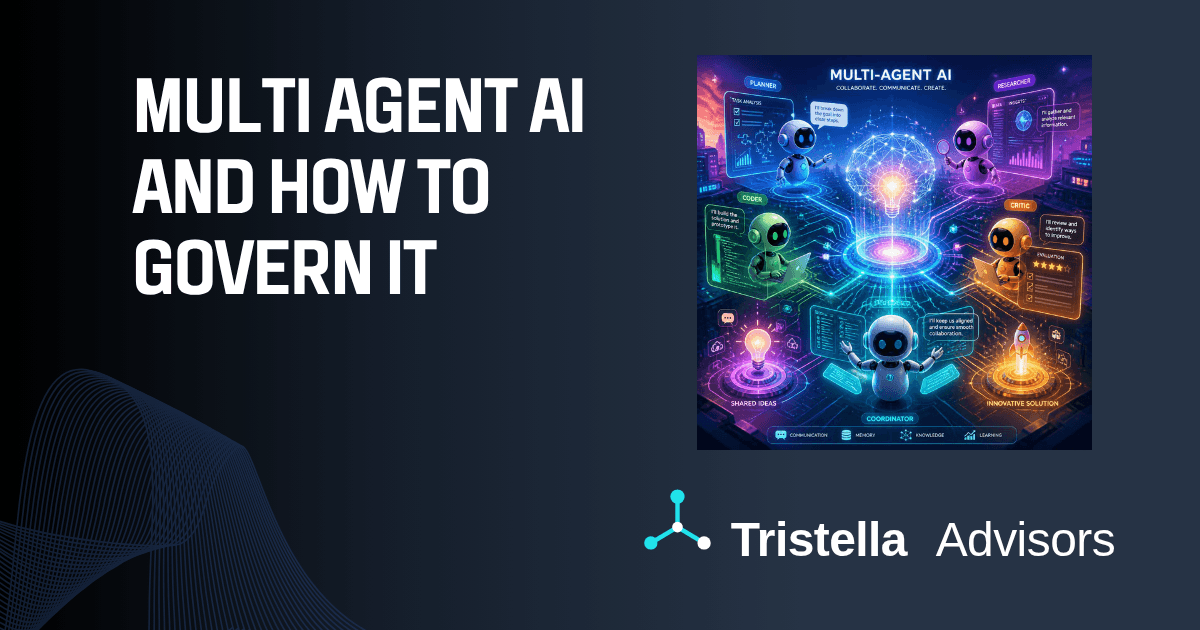
What Are Multi-Agent AI Systems and How Should Your Organization Govern Them?
Most organizations are still figuring out how to govern a single AI model. The problem is that the market has moved past that problem. The AI systems going into production in 2026 are networks of specialized agents coordinating across tools, databases, and APIs to complete tasks that used to require a human in the loop. Gartner projects 40% of enterprise applications will include AI agents by year's end. Only 21% of the organizations planning to adopt agentic AI have a mature governance model in place. This post explains what multi-agent systems actually are, why they break the governance frameworks built for single-model AI, and what your organization needs to address before the next deployment, not after.
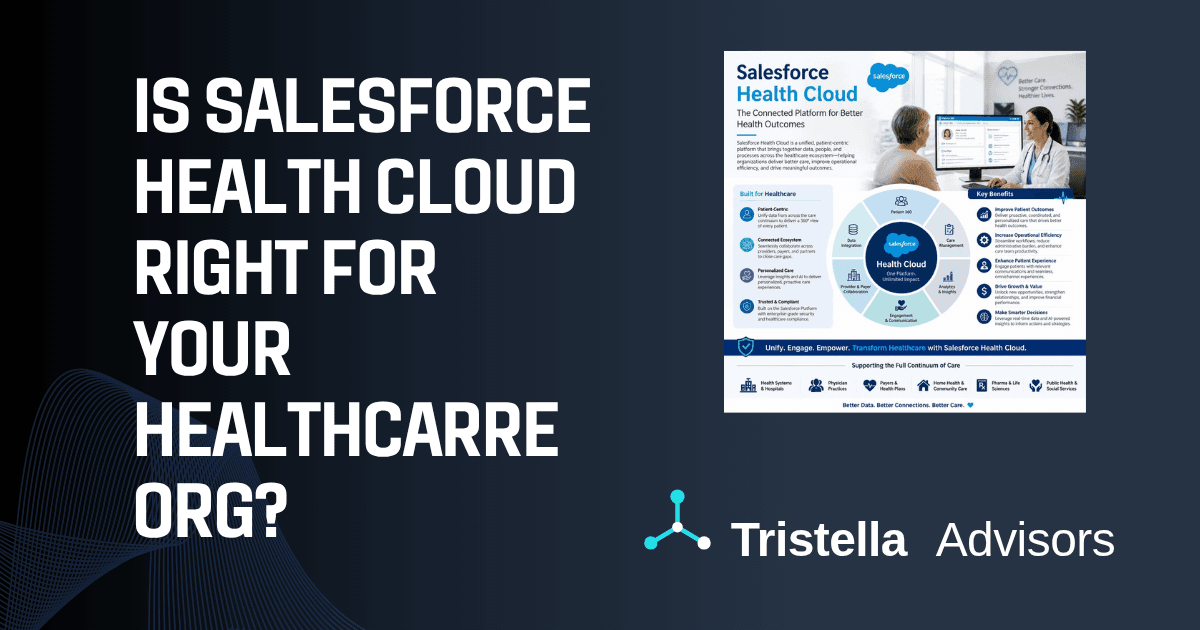
What Is Salesforce Health Cloud and Is It Right for Your Healthcare Organization?
Salesforce Health Cloud is not Salesforce with a healthcare logo. It runs on a different data model, serves a specific set of organizational use cases, and costs significantly more to implement than most evaluations account for. Here's what it actually is, who it's designed for, and the questions worth asking before you commit.
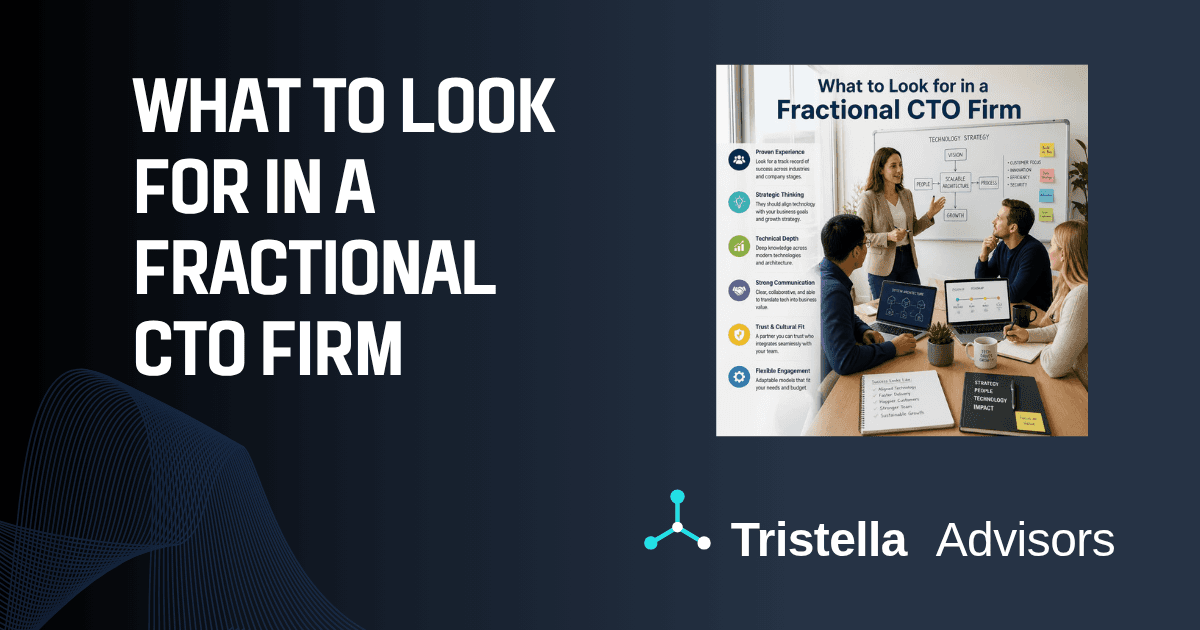
What to Look for in a Fractional CTO Firm: 7 Questions to Ask Before You Hire
The fractional CTO market has grown fast enough that "fractional CTO" no longer tells you much about what you're actually getting. Some firms bring decades of operator experience and domain depth. Others are solo freelancers from a talent marketplace. These seven questions sort one from the other before you sign anything.
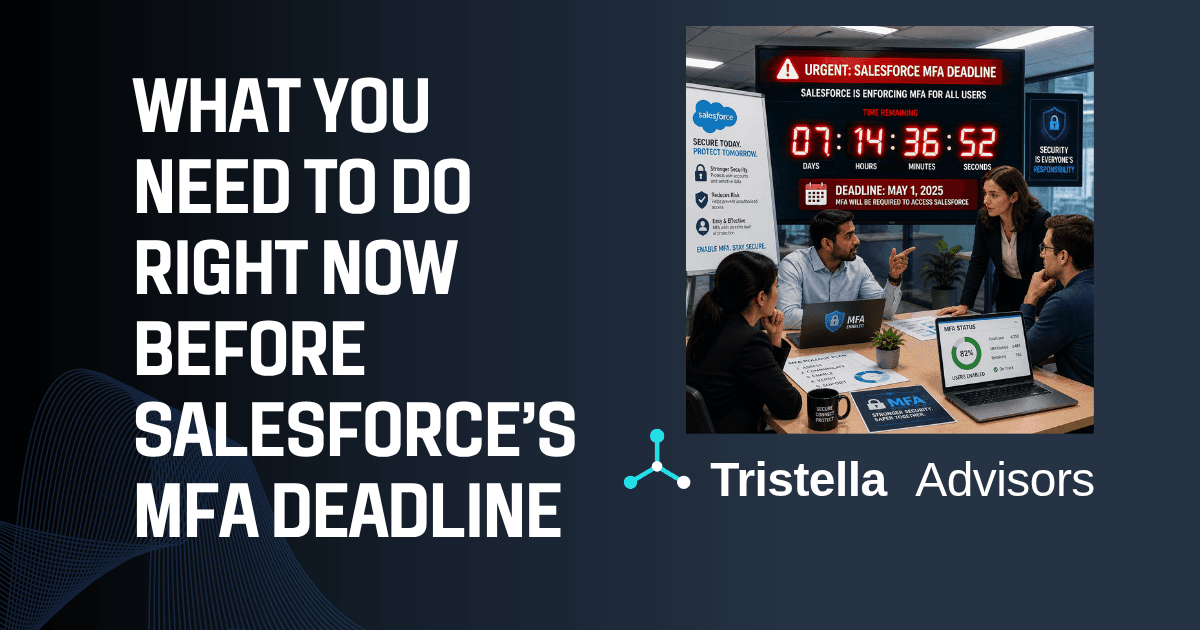
Salesforce MFA enforcement is live: what to do if your org isn't ready
July 1 enforced phishing-resistant MFA for admins. July 20 enforces standard MFA for every other internal user in your org , and the "Waive MFA for Exempt Users" permission stops working. If you're running SSO through Okta or Azure AD, there's an additional signal configuration most orgs haven't checked. Here's what to do before the deadline reaches your org.
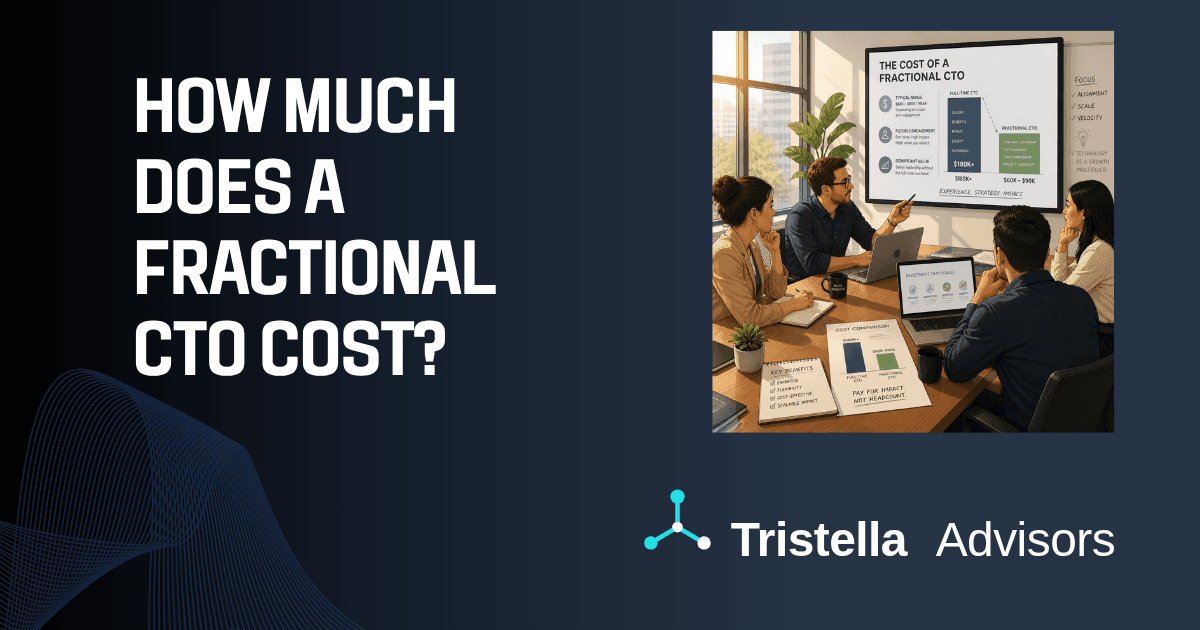
How Much Does a Fractional CTO Cost? Monthly Retainers, Hourly Rates & Day Rates (2026)
A fractional CTO engagement typically runs $8,000 to $15,000 per month. A full-time CTO at seed stage costs $300,000 to $500,000+ in year one once salary, equity, benefits, and recruiting fees are included, with a three- to four-month search delay on top. Here's how to think through the math at your stage.
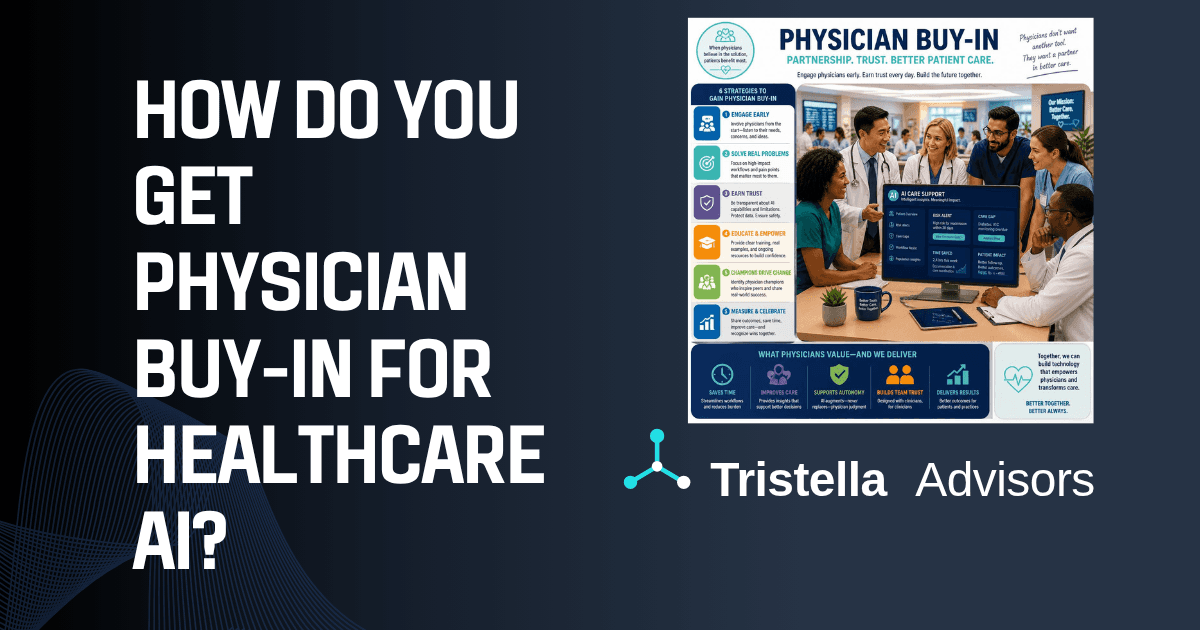
How Do You Get Physician Buy-In for Healthcare AI?
81% of physicians are frustrated with how their organizations implement AI, not because they resist the technology, but because they're excluded from the decisions. Getting physician buy-in isn't a communications problem. It's a design problem, and it starts well before the first conversation with a vendor.
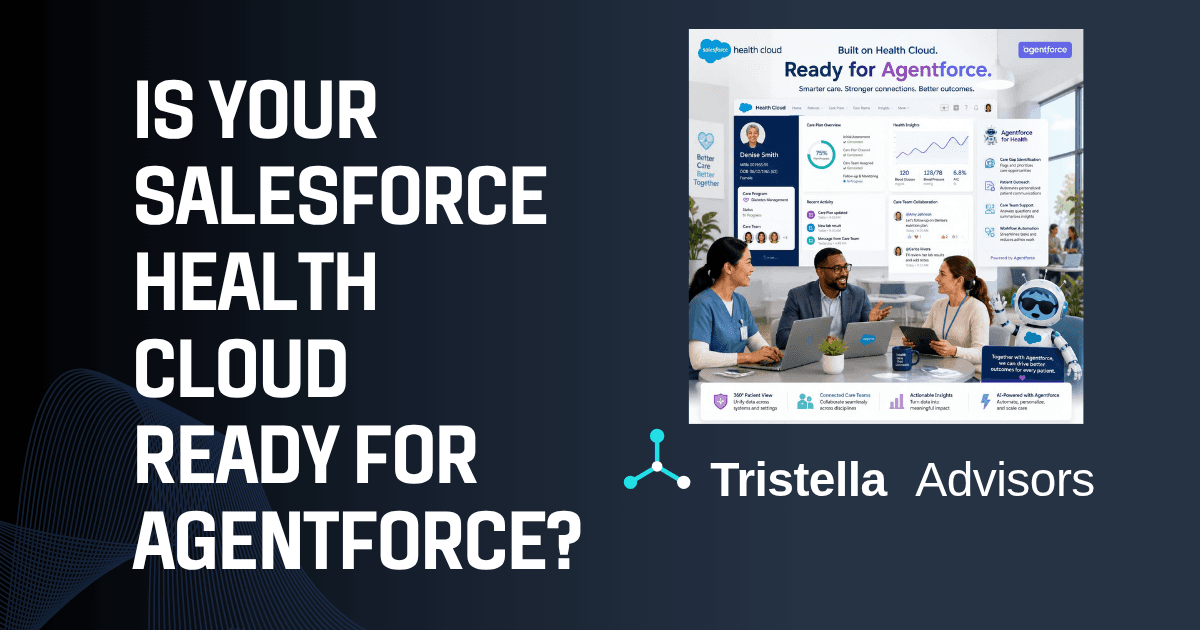
Is Your Salesforce Health Cloud Ready for Agentforce? What Nobody Tells You Before You Start
Most Agentforce readiness guides were written for standard Salesforce orgs. Health Cloud is a different platform with a different data model, different compliance requirements, and an EHR integration layer that determines whether your agents have the data they need to do anything useful. Before you scope an Agentforce project on Health Cloud, here's what you actually need to know.
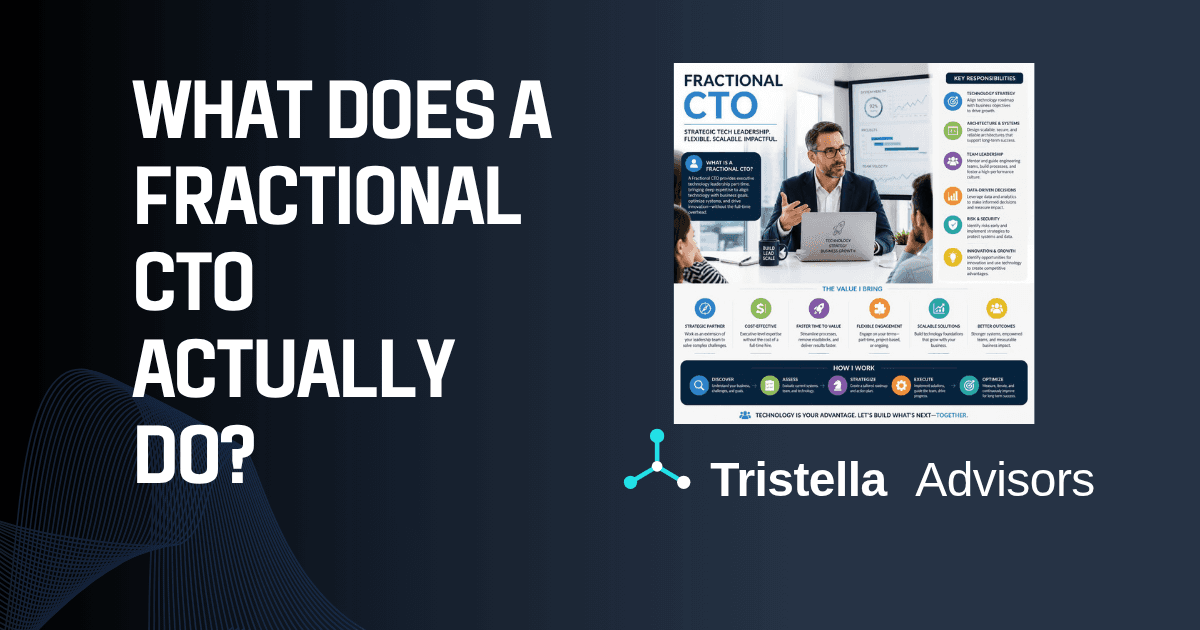
What does a fractional CTO actually do week to week?
Strategic technology leadership" doesn't tell you much. Here's what a fractional CTO actually does with their time: a week-one technical audit that maps what you actually have versus what you think you have, 5 to 8 hours a week of architecture-level code review, vendor and technology decisions two to four times a month, hiring support as you build your engineering team, and the investor credibility to sit in due diligence and answer the hard questions. This post breaks down exactly where the hours go, what a fractional CTO does not do, and how the engagement typically evolves from assessment to ongoing oversight to handing off to a full-time hire.